A flaky scalp is one of the most common hair concerns, yet it is also one of the most misunderstood. Many people assume that all flakes are dandruff and immediately reach for strong anti-dandruff products.
In reality, a large percentage of scalp issues are caused by dry scalp, not dandruff. Using the wrong treatment often makes the problem worse. Ayurveda takes a more precise and long-term approach by identifying the root cause and restoring scalp balance.
This guide explains the difference between dandruff and dry scalp, how to identify each condition correctly, and why Ayurvedic hair oil is an effective solution for both.
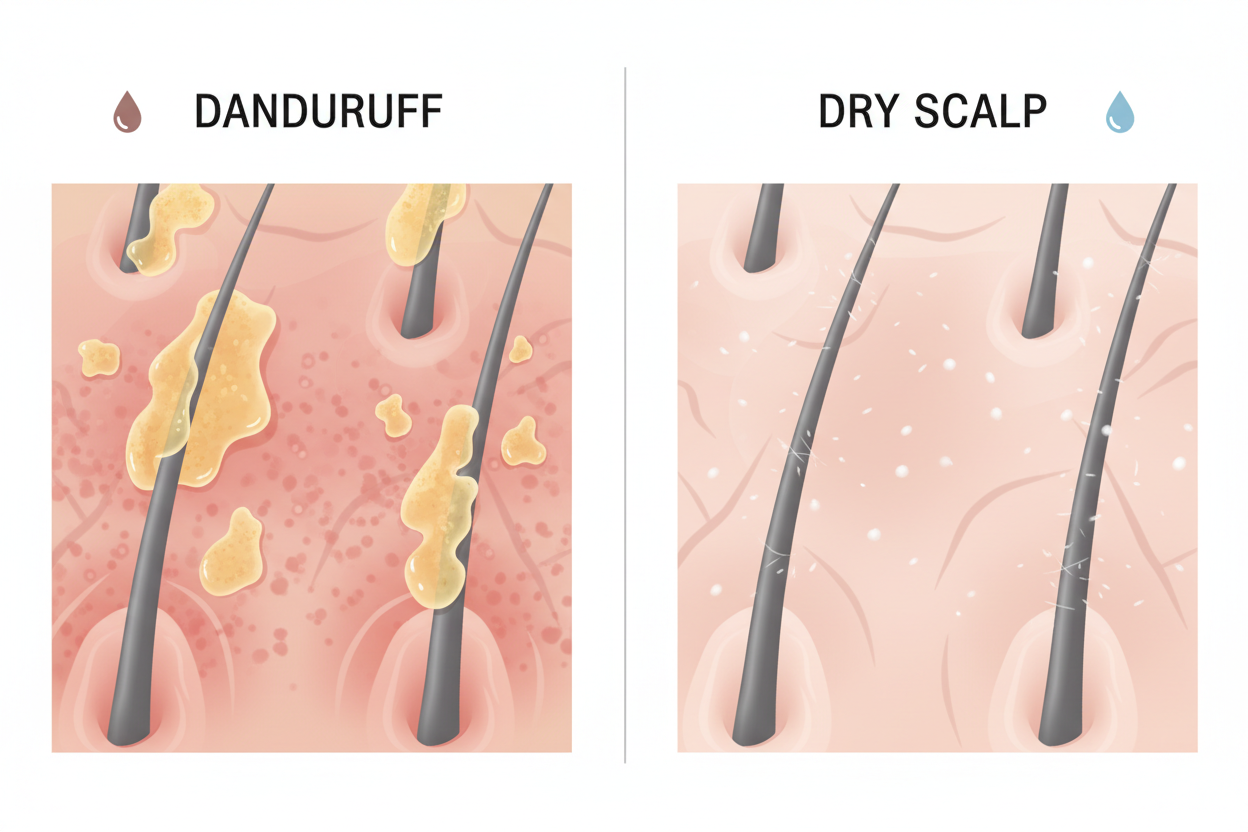
Dandruff vs. Dry Scalp: Key Differences You Should Know
Although dandruff and dry scalp share similar symptoms, their causes and treatment methods are very different.
What Is Dry Scalp?
Dry scalp occurs when the scalp does not produce enough natural oil or loses moisture due to external factors such as weather changes, frequent shampooing, dehydration, or chemical-based hair products.
Common signs of dry scalp
- Small, white, dry flakes
- Tight or uncomfortable scalp
- Mild itching without redness
- Rough or dull-looking hair
Dry scalp is primarily a hydration issue and responds well to nourishing treatments.
What Is Dandruff?
Dandruff is caused by an imbalance in the scalp, often linked to excess oil production and fungal overgrowth. Stress, hormonal changes, poor scalp hygiene, and product buildup can trigger or worsen dandruff.
Common signs of dandruff
- Large white or yellow flakes
- Oily or greasy scalp
- Redness and irritation
- Persistent itching
Dandruff requires purification and balance rather than drying solutions.
Why Chemical Treatments Often Fail in the Long Run
Most commercial anti-dandruff products rely on harsh chemicals designed to strip oil and suppress fungal activity. While this may provide short-term relief, it often damages the scalp’s natural barrier.
Over time, the scalp becomes overly dry, sensitive, or dependent on strong products. This cycle leads to recurring dandruff, itching, and scalp irritation. Ayurveda focuses on repairing the scalp environment instead of offering temporary fixes.
Why Ayurvedic Oils Are Effective for Both Dandruff and Dry Scalp
A high-quality herbal scalp oil works holistically. Instead of targeting flakes alone, it supports scalp health at a deeper level.
Benefits of Ayurvedic scalp oils
- Cleanse the scalp without stripping natural oils
- Provide long-lasting moisture
- Soothe irritation and itching
- Strengthen hair roots and scalp skin
This balanced approach makes Ayurvedic oils a reliable natural dandruff cure and an effective solution for dry scalp.
Powerful Ayurvedic Ingredients for Scalp Health
Neem Oil for Dandruff Relief
Neem is widely used in Ayurveda for its antifungal and antibacterial properties. Neem oil for dandruff helps reduce flakes, calm itching, and maintain a healthy scalp environment without causing dryness.
Bhringraj Scalp Treatment
Bhringraj is known for strengthening hair roots and soothing scalp irritation. As a Bhringraj scalp treatment, it improves circulation and supports scalp repair, making it suitable for both dandruff and dry scalp conditions.
Dhanwantharam Oil for Deep Nourishment
Dhanwantharam oil is traditionally used to nourish tissues and improve circulation. It is especially beneficial for dry, flaky scalp caused by stress, fatigue, or poor scalp nourishment.
Ayurvedic Scalp Hydration with Herbal Oils
Ayurvedic oils penetrate deep into the scalp, providing sustained hydration. This method of Ayurvedic scalp hydration is more effective than surface-level conditioners that wash away quickly.
How to Use Ayurvedic Hair Oil Correctly
Proper application enhances results and supports long-term scalp health.
- Warm the oil slightly before use
- Massage gently into the scalp for 5 to 10 minutes
- Leave it on for 30 to 45 minutes or overnight
- Wash with a mild herbal shampoo
- Use 2 to 3 times a week consistently
- This routine allows the Ayurvedic hair oil to nourish, detoxify, and rebalance the scalp naturally.
Modern Herbal Formulations and Tejocote Hair Care Approach
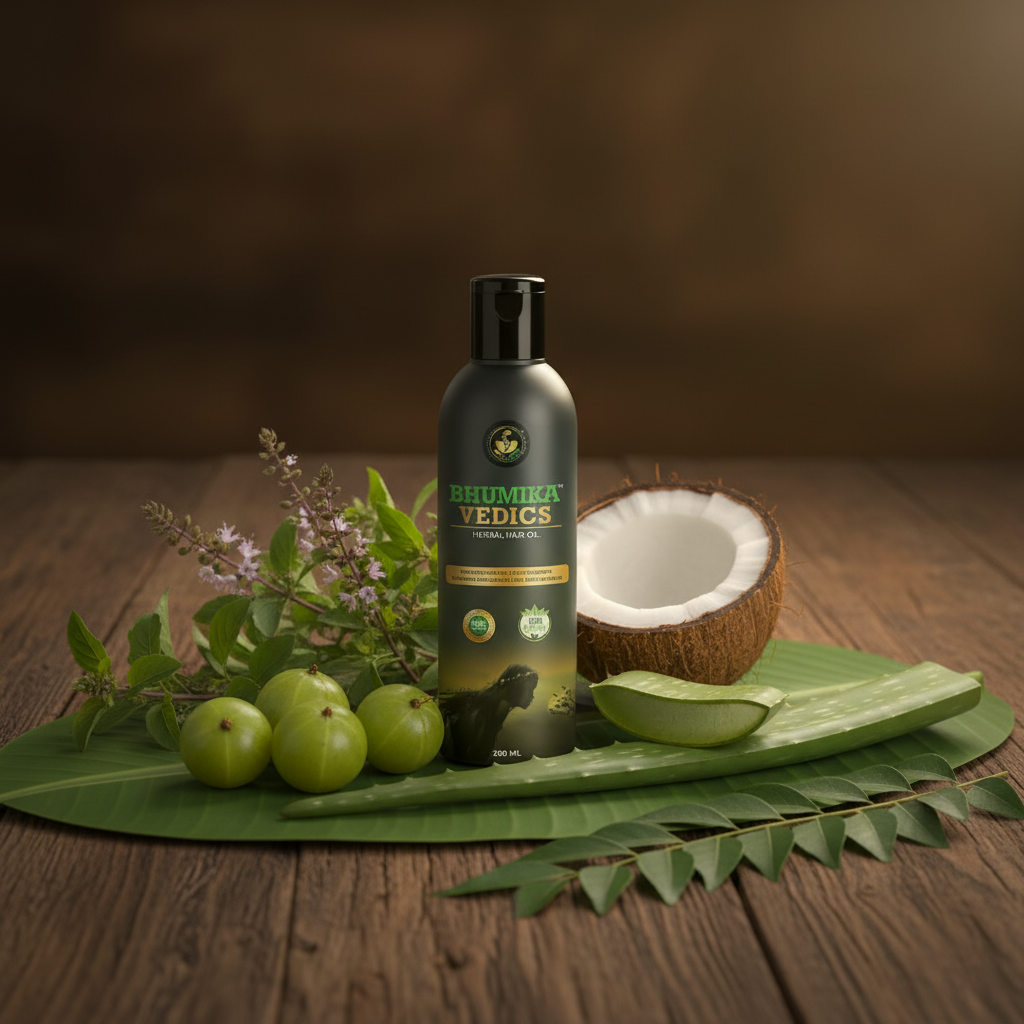
Contemporary formulations inspired by Tejocote hair care principles combine traditional Ayurvedic ingredients with improved absorption and lighter textures. These blends are ideal for people transitioning from chemical products to herbal scalp care without heaviness or residue.
FAQs
Is dandruff the same as dry scalp?
No. Dry scalp is caused by lack of moisture, while dandruff is linked to excess oil and scalp imbalance. Treating them the same way often worsens the condition.
Can Ayurvedic hair oil treat dandruff permanently?
Ayurvedic hair oil helps control dandruff by restoring scalp balance and reducing fungal overgrowth. With consistent use, it significantly reduces recurrence.
Which Ayurvedic oil is best for dandruff and dry scalp?
Herbal scalp oils containing neem oil for dandruff, bhringraj scalp treatment, and nourishing bases like Dhanwantharam oil work effectively for both conditions.
How often should I oil my scalp for dandruff?
For best results, apply Ayurvedic hair oil 2 to 3 times a week. Regular oiling helps maintain scalp hydration and prevents flakes.
Is neem oil safe for sensitive scalp?
Yes. Neem oil is generally safe when blended into herbal scalp oils. It soothes irritation and supports scalp health without harsh side effects.
Conclusion
Understanding the difference between dandruff and dry scalp is essential for choosing the right treatment. Treating both conditions with harsh shampoos often leads to temporary relief and recurring problems.
Ayurvedic oils offer a gentle yet effective solution by addressing scalp imbalance, hydration, and nourishment together. Whether flakes are caused by dryness or excess oil, consistent use of herbal scalp oil supports healthier scalp function and stronger hair over time.
For those seeking a long-term, natural approach to scalp care, Ayurveda provides solutions that work beyond surface-level symptoms.