News
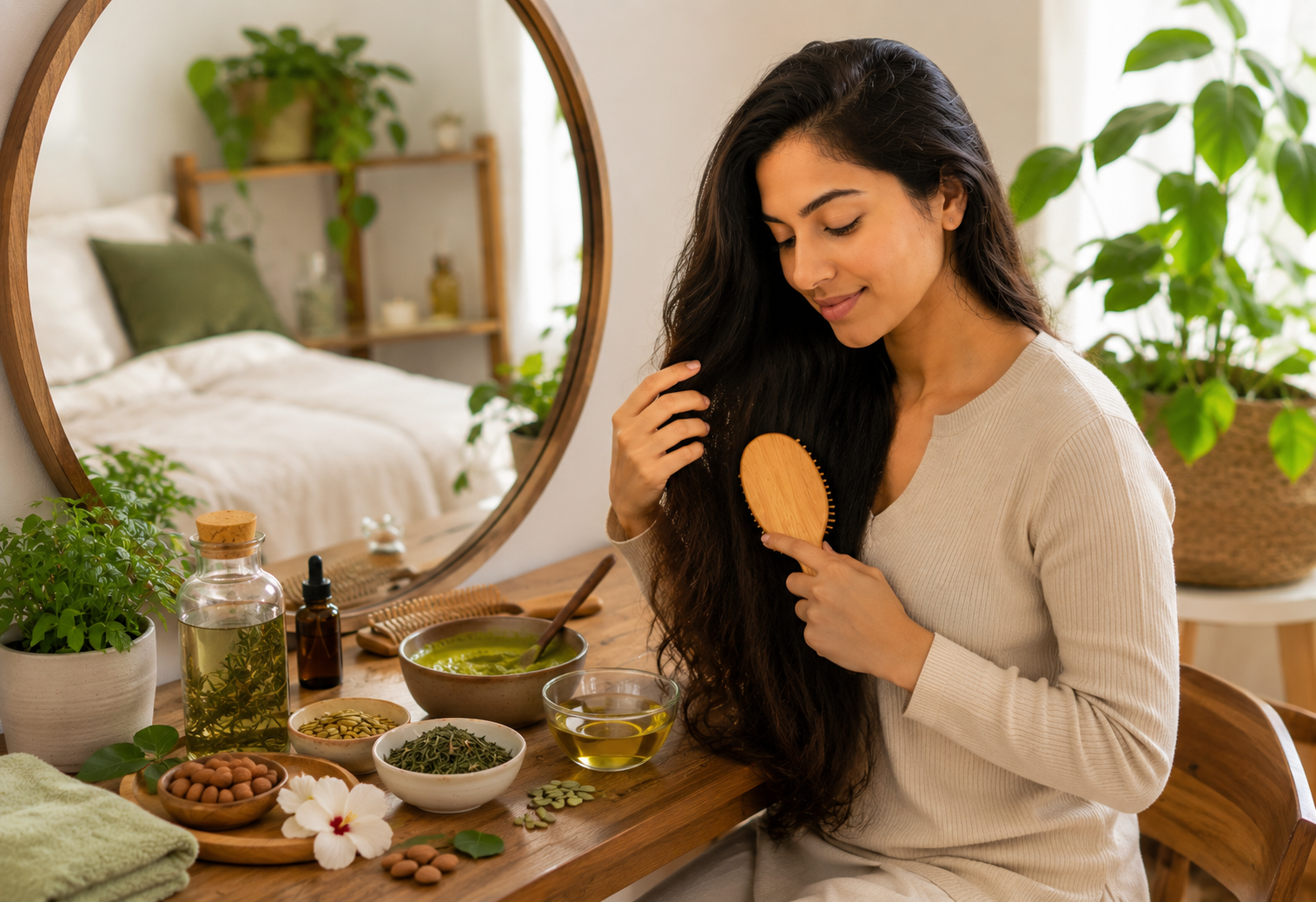

How to Stop Hair Fall Naturally: The Ayurvedic Oil & Shampoo Routine
Losing hair strands is not the only aspect of hair loss. Every time you see extra hair on your comb or pillow, it slowly affects your confidence, too. The truth is, most people do not need harsh treatments or chemical-heavy products to start fixing the problem. Ayurveda has been helping people manage hair fall naturally for thousands of years. Instead of quick fixes, it focuses on strengthening the scalp, nourishing the roots, and building healthy hair through consistency. A simple Ayurvedic oil and shampoo routine can often do more for your hair than constantly changing products. Stress, pollution, poor sleep, heat styling, and strong shampoos are some of the major reasons behind modern hair fall. That is why more people today are turning toward Ayurvedic hair fall treatment methods that use herbs, oils, and traditional care practices. Brands like Bhumika Vedics follow this natural approach to support healthier, stronger-looking hair without depending on harsh ingredients. Why Hair Loss Occurs in the First Place Losing around 50–100 strands daily is considered natural. However, excessive loss usually indicates weakening of the roots and scalp. Many people focus only on the hair strands, while Ayurveda focuses on improving scalp health first because healthy roots support healthier hair. In Ayurveda, hair fall is often linked to an imbalance in the body caused by excess heat and weak nourishment. Ayurvedic hair fall treatment focuses on strengthening the roots, calming the scalp, and supporting long-term hair health naturally. Common Reasons for Hair Fall Dandruff and scalp infections Hard water Hormonal imbalance Tight hairstyles Poor scalp care Excessive hair coloring Weak hair roots That is why many people now follow a herbal hair care routine as a natural hair fall remedy. It helps nourish the scalp gently and supports healthier, stronger-looking hair over time. Why Ayurveda Works for Hair Fall Ayurveda follows a gentle and natural approach to hair care. Instead of using strong chemicals that give temporary shine, Ayurvedic hair fall treatment focuses on nourishing the scalp, strengthening the roots, and improving long-term hair health. Ayurvedic Care Chemical-Based Care Nourishes the scalp naturally Often strips natural oils Supports long-term hair health Mostly temporary results Uses herbs and plant oils May contain sulfates and parabens Gentle for regular use Can irritate sensitive scalps Many people now prefer Ayurvedic hair care because it is gentle, natural, and focused on long-term hair health. They want safer solutions that support healthier hair over time. The Ideal Ayurvedic Oil and Shampoo Routine It's more important to be consistent than to use too many products. A simple Ayurvedic oil and shampoo routine followed regularly often gives better results than constantly changing products. Step 1: Start with Ayurvedic hair oil. Hair oiling is one of the oldest and most trusted Ayurvedic hair care practices. It helps nourish the scalp, strengthen the roots, and reduce dryness naturally. Ayurvedic oils may help: Improve scalp circulation Strengthen weak roots Reduce dryness Calm the scalp Support thicker-looking hair Look for ingredients like: Bhringraj Amla Brahmi Hibiscus Fenugreek Neem Coconut oil Massage warm oil gently into the scalp 2–3 times a week and leave it for at least 30 minutes before washing. You can also explore Bhumika’s ayurvedic hair oil for hair growth options for herbal oil blends inspired by traditional Ayurvedic care. Step 2: Use a Mild Ayurvedic Shampoo Many shampoos clean too harshly and leave the scalp dry. Ayurvedic shampoos focus on gentle cleansing while helping maintain the scalp’s natural moisture. What to consider while choosing an Ayurvedic shampoo: Sulfate-free formulas Herbal extracts Mild cleansing ingredients Scalp-friendly formulas Ingredients like shikakai, reetha, neem, aloe vera, and hibiscus are commonly used because they cleanse the scalp without making the hair rough or dry. If you prefer gentle herbal cleansing, you can explore Bhumika’s best ayurvedic shampoo for hair growth range. Step 3: Follow Healthy Hair Habits A complete Ayurvedic routine is not only about products. Small daily habits also play an important role in healthy hair care. Healthy hair habits: Drink enough water Sleep properly Eat healthy foods Avoid excessive heat styling Protect hair from pollution Avoid overwashing hair Small habits followed consistently can create long-term results. Best Ayurvedic Ingredients for Hair Fall Certain herbs have remained popular for generations because people continue seeing results with regular use. Bhringraj Often referred to as the "king of herbs" for hair care. It helps support stronger roots and healthier-looking hair. Amla Rich in antioxidants and commonly used for scalp nourishment and hair strength. Brahmi Known for its calming properties and often used in Ayurvedic scalp oils. Neem Helpful for dandruff and maintaining a cleaner scalp. Hibiscus Traditionally used to improve hair softness and shine. Common Mistakes That Increase Hair Fall Sometimes hair fall becomes worse because of small daily mistakes. Even good products may not work properly if hair care habits are too harsh. Avoid these mistakes: Washing hair every day Using very hot water Skipping scalp massage Applying too many styling products Tight hairstyles Ignoring dandruff A gentle and balanced routine usually works better than extreme treatments. How Long Does Ayurvedic Hair Care Take? Ayurveda focuses on consistency, not overnight transformation. Natural routines usually take time because they work slowly to improve scalp health and strengthen the roots. Many people notice reduced dryness and softer hair within a few weeks. With regular care, hair may gradually feel healthier, stronger, and easier to manage. Conclusion Hair fall can feel stressful, but harsh treatments are not always the answer. Sometimes, simple and gentle routines work better for long-term hair care. An Ayurvedic hair fall treatment focuses on nourishing the scalp, strengthening the roots, and improving overall hair health naturally. With patience and consistency, healthier-looking hair becomes easier to maintain over time. The biggest takeaway is this: healthy hair starts with healthy habits and regular care. Choosing a simple Ayurvedic oil and shampoo routine can help support stronger, healthier hair naturally. FAQs 1. What is the best natural hair fall remedy? A consistent herbal oil and shampoo routine is one of the most trusted natural hair fall remedies. Healthy habits and regular scalp care also make a big difference. 2. How often should I oil my hair? You can oil your hair 2–3 times a week. Gentle scalp massage helps improve nourishment and relaxation. 3. Can Ayurvedic shampoo help with hair growth? Ayurvedic shampoos help maintain a healthy scalp, which supports healthier hair growth over time. They also cleanse gently without stripping natural oils. 4. Is Ayurvedic hair care safe for regular use? Most herbal products are designed to be gentle for regular use. Always choose clean and trusted ingredients. 5. Which Ayurvedic ingredient is best for hair fall? Bhringraj is one of the most popular Ayurvedic herbs for hair fall. Amla and Brahmi are also commonly used for scalp nourishment. 6. Can dandruff increase hair fall? Yes, dandruff can weaken the scalp and lead to more breakage if ignored. Keeping the scalp clean and balanced may help reduce this problem. 7. How long does it take to see results? Natural routines usually take a few weeks to show visible improvement. Consistency is the most important part of Ayurvedic hair care. 8. Can men and women both follow this routine? Yes, Ayurvedic hair care routines are suitable for both men and women. They focus on overall scalp and root health.
Learn more
How to Properly Oil and Wash Your Hair for Maximum Growth
Healthy, long hair is not built overnight. It grows from small, consistent habits that support your scalp every day. And one of the most powerful habits is a proper oiling and washing routine. Many people oil their hair but still struggle with hair fall or slow growth. The problem is not the oil. It is how the oil is used and how the hair is washed afterward. If you follow the right Ayurvedic hair growth routine, you can improve scalp health, reduce breakage, and support stronger, longer hair naturally. Let’s break it down step by step. Why Oiling and Washing Matter for Hair Growth Hair growth starts at the scalp. If your scalp is dry, clogged, or weak, your hair will not grow well. A proper routine helps Improve blood circulation Nourish hair roots Reduce dandruff and dryness Strengthen hair strands Prevent early greying and thinning This is why traditional Ayurvedic hair oiling techniques have been trusted for generations. Step 1: Choosing the Right Herbal Hair Oil Not all oils work the same. A good herbal hair oil for hair growth should contain natural ingredients that deeply nourish the scalp. Look for ingredients like: Bhringraj for hair growth Amla for strength and shine Coconut oil for deep hydration Brahmi for scalp relaxation Neem for dandruff control Bhumika focuses on using traditional Ayurvedic herbs in its formulations, making it a reliable choice for people who prefer natural care. Quick tip: Avoid mineral oils or heavily perfumed products. Always read the label. Step 2: How to Apply Herbal Hair Oil Properly Knowing how to apply herbal hair oil correctly makes a big difference. Follow this simple method: Warm up a small amount of oil. Apply oil directly to your scalp after parting your hair. Use your fingertips to massage gently. Move in circular motions for 5–10 minutes. Apply the remaining oil throughout the hair's length. Why massage matters: Improves blood flow. Helps oil absorb better. Relaxes the scalp. Do not rush this step. This is where most of the benefits come from. Step 3: How Long Should You Leave the Oil? This is a common mistake area. Ideal timing: Minimum: 30–45 minutes. Best: 2-3 hours. Overnight: Only if it suits your scalp. Leaving oil too long can sometimes attract dust or clog pores, especially in humid conditions. If you are new to oiling, start with shorter durations and observe how your scalp responds. Step 4: Washing Your Hair the Right Way Washing is just as important as oiling. Using a harsh shampoo can cancel all the benefits of oiling. Select the Best Ayurvedic Shampoo for Falling Hair The best Ayurvedic shampoo for hair fall should: Be free from harsh chemicals. Clean the scalp without stripping natural oils. Support scalp balance. Bhumika’s approach focuses on gentle cleansing using herbal ingredients, which helps maintain long-term scalp health. Step-by-Step Hair Washing Routine Wet your hair with lukewarm water. Take a small quantity of shampoo and dilute it. Apply to the scalp only; do not apply to the lengths. Massage gently for 1-2 minutes. Rinse thoroughly. Repeat only if needed. Important: Do not scrub aggressively. Wet hair is delicate and quickly breaks. Step 5: Post-Wash Care After washing, your hair needs gentle care. Do this: Use a soft towel; do not rub harshly. Let your hair air dry. Avoid heat styling immediately. Use a wooden comb once dry. These small steps prevent breakage and support healthy growth. Weekly Ayurvedic Hair Growth Routine Day Routine Monday Oil massage (light) Wednesday Oil + wash Friday Oil massage Sunday Oil + wash Consistency matters more than frequency. Stick to what works for your schedule. Common Mistakes to Avoid Applying too much oil Skipping scalp massage Using very hot water Washing too frequently Using harsh shampoos Leaving oil for too long without washing Fixing these small mistakes can improve your results quickly. Why Ayurvedic Hair Care Works An Ayurvedic hair growth routine focuses on balance. It does not chase instant results. Instead, it: Nourishes the roots Strengthens hair naturally Improves scalp health over time This is why many people are shifting from chemical products to herbal solutions. If you are exploring natural care, you can check Bhumika’s range of herbal oils and cleansers designed around traditional wisdom. Conclusion Hair care does not need to be complicated. A simple routine done consistently can bring visible results over time. The key is to follow the right steps and avoid common mistakes. Oiling and washing are not just basic habits. They are the foundation of a healthy scalp and strong hair. When done properly, they can support long-term growth naturally. If you are looking for a gentle and reliable approach, sticking to an Ayurvedic hair growth routine and choosing trusted herbal products like those from Bhumika can make your journey smoother and more effective. FAQs 1. How often should I oil my hair for growth? You can oil your hair 2–3 times a week for the best results. Regular oiling helps nourish the scalp, improve blood circulation, and strengthen the roots over time. 2. Can I apply oil to dirty hair? Yes, you can apply oil to dirty hair, but a clean or slightly dry scalp absorbs nutrients better. If your scalp has too much buildup, the oil may not penetrate effectively. 3. Does oiling reduce hair fall? Yes, proper oiling can help reduce hair fall by strengthening the roots and improving scalp health. It also reduces dryness and breakage, which are common causes of hair loss. 4. Which oil is best for hair growth? Herbal oils with ingredients like bhringraj, amla, and coconut oil are considered effective for hair growth. These ingredients nourish the scalp and support stronger, healthier hair over time. 5. Should I oil my hair overnight? You can leave oil overnight if it suits your scalp, but it is not necessary for everyone. For oily or sensitive scalps, keeping it for a few hours is often enough and safer. 6. Can I skip shampoo after oiling? No, washing your hair after oiling is important to remove excess oil and dirt. Skipping shampoo can lead to buildup, which may clog pores and affect scalp health. 7. Is daily hair washing bad? Yes, washing your hair every day can strip away natural oils and make your scalp dry. It is better to wash your hair 2–3 times a week to maintain balance. 8. How long does it take to see results? With a consistent Ayurvedic hair growth routine, you may start noticing changes within 3–4 weeks. Visible improvements in strength and texture usually become clearer over time with regular care.
Learn more
How to Restore Hair Strength and Skin Glow After Pregnancy
Becoming a mother changes everything. Your routine, your sleep, and yes, even your hair and skin. Many new moms notice sudden hair fall, dull skin, or dryness just a few weeks after delivery. It can feel confusing, especially when you are already adjusting to a new phase of life. The truth is, your body is simply recovering. Hormonal shifts, lack of sleep, and nutritional changes all play a role in postpartum hair loss and skin concerns. The good news is that with the right care, your body knows how to heal, and you can support that process naturally. This guide will help you understand postpartum hair loss treatment, simple ways to stop hair fall after pregnancy, and a gentle post-pregnancy skin care routine that actually works without harsh chemicals. Why Does Hair Fall and Skin Change Happen After Pregnancy? After delivery, estrogen levels drop quickly. This causes hair that stayed longer during pregnancy to shed all at once. At the same time, your skin may feel dry, pigmented, or tired. Common postpartum concerns include: Hair thinning and excessive shedding Dry scalp or dandruff Pigmentation and uneven skin tone Loss of natural glow Stretch marks and dehydration These are temporary, but they need the right care. How to Stop Hair Fall After Pregnancy If you are searching for how to prevent postpartum hair loss, the answer lies in consistency, nourishment, and gentle care. 1. Switch to a Chemical-Free Postpartum Care Routine Your scalp is sensitive after pregnancy. Harsh shampoos and treatments can make hair fall worse. Focus on: Sulfate-free cleansers Herbal oils instead of synthetic serums Mild, plant-based formulations This is where brands like Bhumika focus on chemical-free postpartum care, using traditional methods that support long-term results. 2. Use Ayurvedic Herbs for Hair Regrowth Certain herbs have been trusted for generations for hair strength and regrowth. Ayurvedic herbs for hair regrowth: Brahmi strengthens roots and reduces stress-related hair fall Bhringraj supports regrowth and improves hair density Amla improves hair texture and adds shine These ingredients are commonly found in post-pregnancy Ayurvedic hair oil blends designed for new mothers. 3. Massage Your Scalp Regularly A simple oil massage can make a big difference. Benefits: Improves blood circulation Nourishes hair follicles Reduces stress, which is a major cause of hair fall Use warm oil two to three times a week for best results. Benefits of Ventha Velichenna (Virgin Coconut Oil) for Moms In Kerala Ayurveda, Ventha Velichenna, also known as Virgin Coconut Oil, is a staple for postpartum care. Why it works: Deeply nourishes scalp and skin Helps reduce hair breakage Improves skin hydration Safe for both mother and baby It is often infused with herbs to create powerful oils that support both hair and skin recovery. Explore Bhumika’s traditional oil blends inspired by Kerala practices for gentle postpartum recovery. How to Get Glowing Skin After Delivery Your skin needs hydration, nourishment, and patience. Simple steps to restore glow: Drink enough water because hydration is key Eat fresh fruits and healthy fats Sleep whenever possible, even short naps help Follow a minimal skincare routine Glow does not come from layering products. It comes from balance. Skin Care Routine After Pregnancy A good post-pregnancy skin care routine should be gentle and easy to follow. Morning Routine: Mild herbal cleanser Light moisturizer Natural sunscreen Night Routine: Cleanse Apply facial oil or serum Gentle massage Avoid overloading your skin. Keep it simple and consistent. Natural Remedies for Postpartum Skin If you prefer home-based care, these remedies work well: Aloe vera gel soothes and hydrates skin Turmeric and milk paste help brighten skin tone Rose water refreshes and tones These remedies align with the philosophy of natural skincare followed by brands like Bhumika. Kerala Ayurveda for New Mothers Kerala has a long tradition of postpartum healing. The focus is on restoring balance using oils, herbs, and rest. Key principles: Daily oil massages Herbal formulations Warm, nourishing foods Stress-free recovery This approach is slow but deeply effective, making it perfect for long-term wellness. Choosing the Right Post-Pregnancy Ayurvedic Hair Oil Not all oils are the same. Look for: Cold-pressed base oils Herbal infusions instead of artificial fragrance No mineral oils or parabens Bhumika’s formulations focus on purity, making them a safe option for mothers who read labels carefully. Check out Bhumika’s range of Ayurvedic oils crafted for real results and not quick fixes. FAQs 1. How long does postpartum hair loss last? Postpartum hair loss usually lasts between three to six months after delivery. With proper care and nutrition, normal hair growth gradually returns. 2. What is the best postpartum hair loss treatment? The best treatments for postpartum hair loss include regular oiling, a balanced diet, and gentle hair care. Herbal and Ayurvedic products help support long-term hair strength and regrowth. 3. Can I use chemical products after delivery? It is better to avoid chemical-based products immediately after delivery. Choosing Chemical-free postpartum treatment helps protect your scalp and skin during recovery. 4. How to stop hair fall after pregnancy quickly? There is no instant solution to stop hair fall after pregnancy completely. Consistent care with oil massage, proper nutrition, and gentle products gives the best results over time. 5. Which oil is best for post-pregnancy hair fall? Ayurvedic oils with ingredients like Bhringraj, Amla, and Brahmi are highly effective. They nourish the scalp and support natural hair regrowth. 6. How to improve dull skin after pregnancy? Dull skin can be improved with hydration, proper sleep, and a simple skincare routine. Natural ingredients and gentle care help restore the skin’s glow over time. 7. Are natural remedies safe for new mothers? Yes, most natural remedies are safe when used in a gentle and controlled way. It is always best to keep routines simple and avoid overusing multiple ingredients. 8. Can coconut oil help postpartum skin? Yes, coconut oil deeply nourishes and hydrates postpartum skin. Virgin coconut oil is especially beneficial for restoring softness and moisture. 9. When should I start hair care after delivery? You can start gentle hair care within a few weeks after delivery. Begin with mild oiling and avoid harsh treatments in the early phase. 10. Is Ayurveda effective for postpartum recovery? Yes, Ayurveda focuses on natural healing and restoring balance in the body. It supports long-term recovery through herbs, oils, and simple daily practices. Key Takeaways Postpartum changes might be stressful, but they are an essential part of your body's healing process. Hair fall, dull skin, and dryness are temporary and will improve over time with proper care. The key is to stay consistent and avoid harsh, quick-fix solutions. Choosing natural methods like Ayurveda helps your body recover gently. From herbal oils to simple routines, these practices support both hair regrowth and skin health. Over time, you will notice stronger hair and a natural glow returning. Bhumika believes in this slow, honest approach to care. Instead of shortcuts, it focuses on purity, tradition, and real results, helping you feel like yourself again, one step at a time.
Learn more