News

Coconut Oil vs Herbal Oil: Which Is the Best Oil for Hair Fall & Growth?
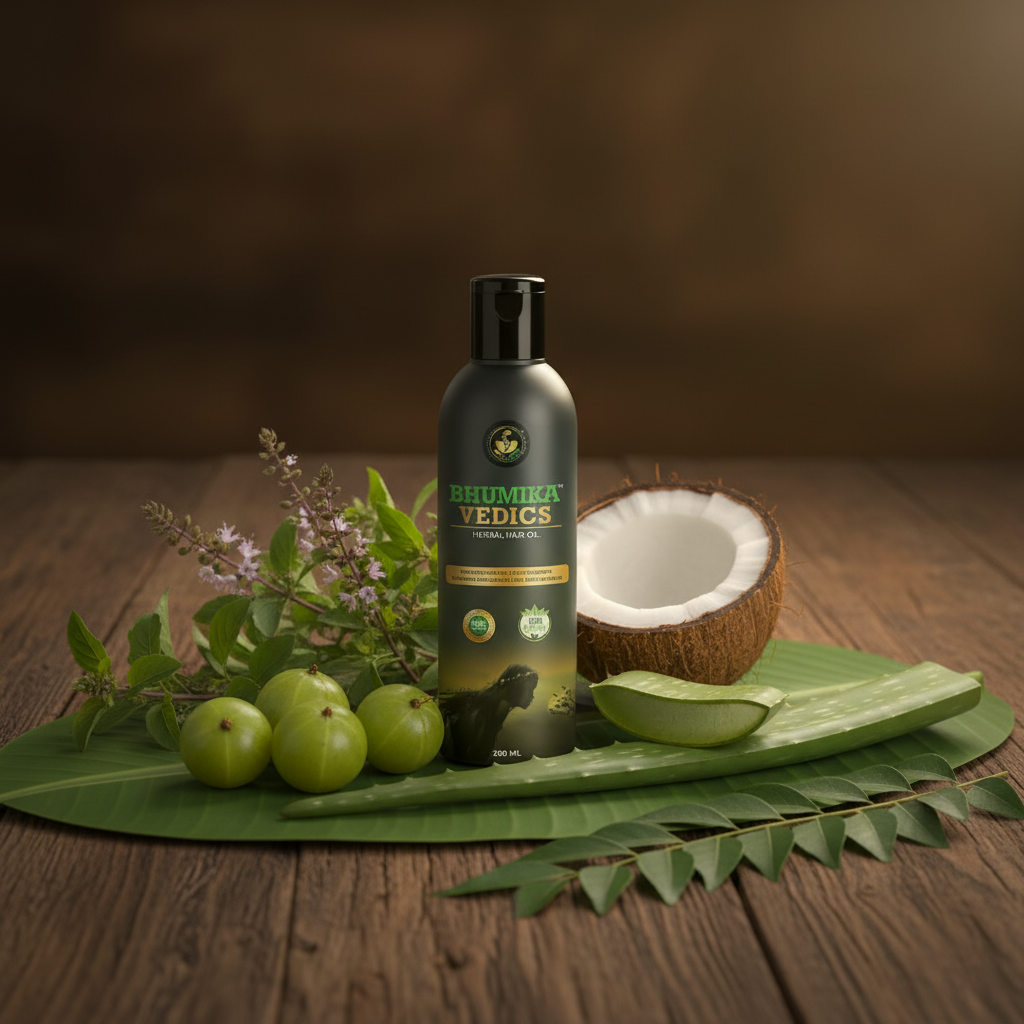
Hair fall is one of the most common hair concerns today. Stress, pollution, poor nutrition, hormonal changes and overstyling contribute to more hair loss than normal, which can affect your confidence and overall hair health. As experts who work with clients with various hair problems every day, we know that choosing the best oil for hair fall can be confusing. With so many products on the shelf, it is natural to wonder if plain coconut oil is enough or if hair oils with Ayurvedic herbs would actually give better results. Coconut oil has been trusted for generations for its moisturising and conditioning properties. Ayurvedic hair oils take things a step further by combining coconut or other carrier oils with Ayurvedic herbs like Bhringraj, Amla, Hibiscus, Fenugreek, Brahmi and Curry Leaves to deliver targeted support for scalp health and hair strengthening: exactly the blend you'll find in Bhumika Vedics Herbal Hair Oil. In this guide, we compare both options and help you choose the natural hair growth oil that truly suits your needs, such as hair nourishment, scalp care, root strengthening and healthy hair growth. By the end, you'll know exactly what deserves a spot in your hair care routine. Why Hair Fall and Slow Hair Growth Happen? Understanding why hair falls out is the first step toward fixing it. Losing a little hair daily is normal, but excessive loss needs attention. Common Causes of Excessive Hair Fall Hair fall can result from genetics, hormonal imbalance, nutritional deficiencies, stress, illness or excessive heat styling. Tight hairstyles, frequent colouring and harsh chemical treatments weaken hair strands and lead to breakage. According to the American Academy of Dermatology, losing about 50-100 hairs a day is considered normal. How Scalp Health Affects Hair Growth A dry, irritated scalp or one affected by dandruff weakens hair roots over time. Regular oil massage helps to keep the scalp hydrated and improves blood circulation, thereby creating a better environment for the hair follicles to function efficiently. This is the basic principle behind every Bhumika Vedics formulation. The Role of Nutrition and Lifestyle in Hair Health Hair is a mirror of overall health. A low-protein, low-iron, low-zinc, low-vitamin D, or low-essential-fatty-acid diet can cause thinning and slower growth. Also, stress and lack of sleep interfere with the natural hair growth cycle. Long-term results come from combining a good diet with a consistent hair nourishment oil and a disciplined hair growth routine. What Is Coconut Oil and How Does It Help Hair Growth and Hair Fall? Coconut oil is one of the most well-researched natural oils for hair care and has been a go-to for centuries thanks to its light texture and ability to penetrate the hair shaft. Traditional Uses of Coconut Oil for Hair Care Families have been using coconut oil for generations in weekly oil-massage rituals to condition hair and combat dryness from frequent washing and environmental exposure. Scientifically Proven Coconut Oil Benefits for Hair Another of the best coconut oil benefits for hair is that it reduces protein loss in both damaged hair and healthy hair. Coconut oil is loaded with a unique blend of fatty acids that can penetrate the hair shaft more effectively and is especially beneficial for dry, rough or chemically treated hair, according to the Journal of Cosmetic Science. Is Coconut Oil Effective for Dry, Damaged, and Frizzy Hair? Coconut oil is a great deep conditioning treatment, smoothing the hair cuticle, making it softer and reducing frizz. Does coconut oil help with hair fall? To an extent, it does take care of breakage due to dryness, but it can’t fix underlying issues like weak roots, dandruff or scalp imbalance on its own. This is where a targeted herbal formulation is important. What Is Herbal Oil and Why Is It Popular for Hair Fall Control? Ayurvedic hair oil is prepared with nourishing base oils and carefully selected Ayurvedic herbs that work on the scalp and hair in multiple ways at once: the philosophy behind every bottle of Bhumika Vedics Hair Oil. The Ayurvedic Approach to Hair Growth and Scalp Care Ayurveda teaches holistic hair care, including nourishing the scalp, strengthening the roots and restoring balance, rather than just treating symptoms. When searching for the best Ayurvedic hair oil for hair growth, many people now choose a multi-herb blend over a single-ingredient oil for exactly this reason. Key Herbal Ingredients Used in Ayurvedic Hair Oils Quality hair oils with Ayurvedic herbs are formulated with herbal ingredients for hair growth, such as: Bhringraj to strengthen hair roots Amla for antioxidant-rich scalp nourishment Hibiscus to condition hair and reduce dryness Fenugreek to improve scalp moisture Brahmi to calm the scalp Curry Leaves to nourish hair follicles naturally Each ingredient contributes different nutrients that work together to improve overall scalp care and support visibly stronger hair. Benefits of Herbal Oil for Hair Fall, Dandruff, and Thinning Hair Herbal formulations offer more than plain oils ever can. With regular use, they support hair strengthening, dandruff control, scalp nourishment and healthier-looking hair, making Ayurvedic hair oil, particularly a trusted blend like Bhumika Vedics, a more complete solution for people juggling multiple hair concerns at once. Coconut Oil vs Herbal Oil: Side-by-Side Comparison for Hair Fall and Hair Growth Feature Coconut Oil Herbal Oil Ingredients Pure coconut oil Coconut or carrier oil blended with Ayurvedic herbs Hair Fall Control Helps reduce breakage Supports stronger roots and reduces hair fall Hair Growth Support Maintains healthy hair Nourishes follicles with multiple herbal ingredients Scalp Health Moisturises dry scalp Nourishes, soothes and balances the scalp Dandruff Management Limited support Formulated with herbs that help manage dandruff Ingredients and Nutritional Profile The moisturising base of coconut oil is enhanced further in hair oils with Ayurvedic herbs, which combine it with a blend of herbs that actively promote healthy hair growth and scalp maintenance. Which Oil Is Better for Hair Fall Control? Coconut oil mainly helps reduce hair fall caused by dryness and breakage. Ayurvedic hair oil goes a step further, nourishing the scalp and strengthening weak hair roots at the source. Which Oil Supports Faster and Healthier Hair Growth? Healthy hair growth needs strong follicles and a healthy scalp. Herbal ingredients add the nutrients needed to support this as part of a complete hair growth routine, which is why formulations are designed around root-to-tip nourishment, not just surface conditioning. Comparing Scalp Health Benefits Coconut oil's moisturising effect works well on dry, irritated scalps. Herbal oils offer more complete scalp care by combining anti-inflammatory and nourishing botanicals in a single formula. Which Oil Works Better for Dandruff and Scalp Irritation? Coconut oil helps reduce the dryness that causes flakes, but herbal oils containing ingredients like neem, fenugreek, or bhringraj, found in Bhumika Vedics Herbal Oil, offer far more complete dandruff control as part of a full scalp care routine. What Do Hair Care Experts Say About Coconut Oil and Herbal Oil? If your main concern is hair fall from weak roots, hair oils with Ayurvedic herbs are generally the more effective choice overall. If you're dealing with excessive thinning, weak roots or recurring dandruff, a hair oil for hair strengthening with proven herbal ingredients, such as Bhumika Vedics, tends to be the better long-term solution. As experts working with customers at every stage of hair fall, we usually recommend matching your oil to your primary concern rather than relying on a one-size-fits-all approach. Consistent oil massage, a balanced diet, gentle cleansing and a healthy lifestyle all work together with the right formulation to improve long-term hair health. Which Oil Supports Better Hair Growth? Healthy hair growth depends on strong follicles, a healthy scalp and proper circulation. While no oil can instantly grow new hair, a natural hair growth oil can reduce breakage and support healthier-looking growth over time. Regular scalp massage keeps the scalp moisturised and may stimulate the tissue beneath it, encouraging thicker-looking hair. Does herbal oil help hair growth? It's one of the most common questions we hear. Individual results vary, but regular use of an Ayurvedic hair oil formulated with Ayurvedic ingredients like Bhringraj, Amla, Hibiscus, Fenugreek, Brahmi and Curry Leaves, all present in Bhumika Vedics Hair Oil, nourishes the scalp, strengthens roots, and, with consistent use, can support thicker, healthier-looking hair as part of a complete hair care regimen. Powerful Ayurvedic Herbs That Help Reduce Hair Fall Naturally For generations, people have relied on Ayurvedic herbal oils because they address multiple aspects of scalp and hair health at once and not just one symptom. Bhringraj for Stronger Hair Roots: Known as the "King of Herbs" for hair, popularly used to strengthen hair roots and improve overall hair health. A signature ingredient in the best Ayurvedic hair oil for hair growth. Amla for Scalp Nourishment and Hair Growth: Loaded with natural antioxidants and vitamin C, it nourishes the scalp and protects hair from environmental damage. Hibiscus for Hair Conditioning and Reduced Breakage: Conditions dry hair while adding softness and manageability, helping combat dryness for healthier-looking strands. Fenugreek for Hair Thickness and Moisture Retention: Rich in proteins and plant compounds that moisturise the scalp and improve hair texture. Brahmi for Scalp Health and Stress-Related Hair Fall: Historically valued for its calming effect, soothing the scalp and maintaining a healthy environment for growth. Curry Leaves for Follicle Nourishment: Packed with nutrients that feed the hair follicles, supporting stronger-looking hair over time. Together, these herbs make Bhumika Vediks Hair Oil a holistic solution for anyone seeking real hair nourishment, root strengthening and scalp health. When Should You Choose Coconut Oil for Hair Care? Coconut oil remains a solid pick for a simple daily hair care routine, especially if dryness, not hair fall, is your main concern. Who Should Use Coconut Oil Regularly? Choose coconut oil if you have: Dry hair: Penetrates dry strands, adds moisture and improves softness while reducing moisture loss between washes. Frizzy hair: Smoothes the hair cuticle and controls frizz for easier styling. A simple routine: Ideal if you want a no-frills conditioner without added botanicals. General hair nutrition: A weekly massage helps prevent breakage from dryness and keeps hair shiny. When Should You Choose Herbal Oil for Hair Fall and Hair Growth? If your hair concerns go beyond dryness, Ayurvedic hair oil is the better option. The blend of nourishing oils and Ayurvedic herbs in herbal oils addresses multiple problems simultaneously. Signs You Need Hair Oil Choose hair oils with Ayurvedic herbs if you have: Excessive hair fall: Herbal ingredients nourish the scalp and support stronger hair roots. Weak hair roots: Promotes healthier scalp conditions that support stronger-looking hair with regular use. Dandruff problems: Herbal ingredients help relieve an itchy or flaky scalp. Hair thinning: No oil reverses every cause of thinning, but consistent scalp care improves overall hair quality and reduces breakage. If any of this sounds like your hair concern, it may be time to make the switch to Bhumika Vedics Herbal Oil, formulated specifically to target hair fall, weak roots and scalp health together. Recommended Hair Oiling Routine for Healthy Hair Growth Many people like to mix both to get the benefits of each. For dry hair, coconut oil is used as a deep conditioning treatment once a week, and on other days, a herbal formulation like Bhumika Vedics Ayurvedic hair oil is used to nourish the scalp and strengthen the roots. Whichever routine you choose, apply the oil to your scalp and massage gently for 5 to 10 minutes. Leave on for one to two hours. This allows the ingredients to be absorbed properly, without leaving an excess of residue. Common Hair Oiling Mistakes That Can Increase Hair Fall Even the best hair fall oil will not work to its full potential if it is used incorrectly. Common errors include: Too much oil: More oil isn’t better; it just makes washing more difficult and dirtier. Leaving oil on too long: Usually one to two hours is sufficient, unless otherwise advised. Not massaging the scalp: Gently massaging helps distribute the oil evenly and allows for better scalp care. Inconsistency: Hair needs regular maintenance, and using an oil once every few weeks will not show any results. Hair Care Expert Recommendation: Coconut Oil vs Herbal Oil There's no single winner in the coconut oil vs herbal oil debate. The best choice depends on what your hair actually needs. Coconut oil remains one of the best natural conditioners for dry, frizzy or damaged hair. But if you're dealing with ongoing hair fall, weak roots, dandruff or thinning, Ayurvedic hair oil is the stronger ally, addressing several aspects of scalp health and hair strengthening at once through its blend of Ayurvedic herbs and nourishing oils. Based on our experience with customers having different hair concerns, we generally recommend Bhumika Vedics hair oils with Ayurvedic herbs as a comprehensive long-term solution, while coconut oil continues to play a supporting role for regular nourishment and deep conditioning. Key Takeaways: Choosing the Best Oil for Hair Fall and Hair Growth The coconut oil vs Ayurvedic hair oil decision doesn't need to be complicated. Both play a role in a healthy hair care routine, just in different ways. Coconut oil remains a great choice for deep conditioning, reducing protein loss and improving the look of dry or damaged hair. It is simple, effective, and backed by years of traditional use and scientific study. But for anyone dealing with hair fall, weak roots, dandruff or thinning hair, hair oils with Ayurvedic herbs offer a more complete solution. It combines nourishing carrier oils with Ayurvedic herbs like Bhringraj, Amla, Hibiscus, Fenugreek, Brahmi and Curry Leaves to support a healthy scalp and stronger, healthier-looking hair over time. We’re haircare experts and work closely with our customers on their hair journeys, knowing that real results come from consistency, not magic potions. The right hair oil, when combined with a balanced diet, gentle hair care habits, and regular scalp massage, creates the best environment for healthier hair. Ready to level up your hair care game? Experience the power of Bhumika Vedics Herbal Oil and see how it is naturally blended to nourish your scalp, strengthen your roots and support healthier hair growth over time. Order and unlock the hair care secret today! Frequently Asked Questions About Coconut Oil vs Herbal Oil 1. Which is better for hair fall, coconut oil or herbal oil? Generally, Ayurvedic hair oil is better for hair fall, as it combines nourishing oils with Ayurvedic herbs that help promote stronger hair roots and scalp health. Coconut oil is more effective at preventing breakage from dryness. 2. Can coconut oil help with hair growth? Coconut oil helps to keep existing hair healthier by reducing protein loss and preventing breakage, but it does not actively stimulate new hair growth. 3. What are the benefits of herbal hair oil? Ayurvedic hair oil is a blend of natural botanicals that nourishes hair, strengthens roots and helps control dandruff. It also supports scalp care and encourages healthier-looking hair. 4. How often should I apply hair oils with Ayurvedic herbs? Most people get good results with it two to three times a week. Quality, not quantity. Consistency is key 5. Does Ayurvedic oil work for hair fall? Sure. Most Ayurvedic hair oils contain herbs like Bhringraj, Amla, Brahmi and Fenugreek, which are traditionally used to help encourage stronger roots and a healthier scalp. 6. Yes, you can mix coconut oil with hair oils with Ayurvedic herbs. Yes. Many people use coconut oil along with an Ayurvedic hair oil for deep conditioning and targeted scalp nourishment. 7. Which oil is good for weak hair roots? For weak hair roots and overall scalp health, a hair oil with Ayurvedic herbs made with Bhringraj, Amla, Hibiscus, Fenugreek, Brahmi and Curry Leaves, like Bhumika Vedics Hair Oil, is usually the better choice.
Learn more
How to Strengthen Hair Naturally After Pregnancy and Reduce Postpartum Hair Fall
Becoming a mother changes many things in life, including your hair. Many women notice sudden shedding, thinning, or dryness a few months after delivery. This condition, known as postpartum hair fall, is very common and usually temporary. Still, seeing extra hair on your pillow, comb, or bathroom floor can feel stressful. Many mothers start searching for gentle ways to manage hair fall after pregnancy without using harsh chemical products. This is where herbal hair care becomes a comforting and trusted solution. Ayurvedic remedies and traditional oils have been used for generations to support healthy hair naturally. With the right routine, patience, and nourishing herbs, you can slowly reduce postpartum hair loss and help your hair regain its strength. Why Does Hair Fall Happen After Pregnancy? During pregnancy, hormone levels remain high, which keeps hair in its growth phase for longer. After delivery, hormone levels drop suddenly. This causes many hair strands to enter the shedding phase together. This is why postpartum hair loss usually starts around 2–4 months after childbirth. In most cases, it improves naturally within a year. However, poor nutrition, stress, lack of sleep, and scalp weakness can make the problem worse. Common signs include: Excess hair shedding while washing or combing Thinner ponytail volume Dry or weak hair strands Hair breakage near the front hairline Itchy or dry scalp Why Herbal Hair Care Works Better for New Mothers After pregnancy, the body needs gentle care and nourishment. Strong chemical products may dry the scalp or weaken already fragile hair roots. Herbal hair care focuses on strengthening the scalp naturally. Ayurvedic ingredients help nourish the roots, calm the scalp, and improve hair texture slowly and safely. Some trusted herbs for postpartum hair fall include: Herb Benefits Amla Supports stronger roots and shine Bhringraj Traditionally used for hair growth Fenugreek Helps reduce hair breakage Hibiscus Conditions dry hair naturally Brahmi Helps calm stress and nourish the scalp Neem Keeps scalp clean and healthy Using herbal products regularly may help improve overall scalp health over time. A Simple Herbal Hair Care Routine for Postpartum Hair Loss 1. Massage the Scalp with Herbal Hair Oil Oil massage is one of the oldest Ayurvedic practices for hair nourishment. It improves blood circulation and helps relax the scalp. Use a gentle herbal hair oil made with ingredients like bhringraj, amla, coconut oil, and hibiscus. Warm the oil slightly and massage it into the scalp using fingertips. For best results: Oil your hair 2–3 times a week Leave it overnight or at least 1 hour Avoid aggressive rubbing Bhumika Vedics offers herbal oil blends inspired by traditional Ayurvedic care, designed to support weak and thinning hair naturally. 2. Wash Hair with a Mild Herbal Shampoo Many shampoos contain sulphates and harsh cleansers that can dry the scalp further. During postpartum recovery, it is better to use gentle herbal cleansers. Choose a mild herbal shampoo with plant-based ingredients that clean without stripping natural oils. This helps maintain scalp balance while reducing dryness and breakage. A good herbal shampoo may help: Remove excess oil gently Reduce scalp irritation Keep hair soft and manageable Support healthier-looking strands 3. Eat Foods That Support Hair Strength Hair health also depends on nutrition. After childbirth, the body needs extra nourishment to recover. Include these foods regularly: Nuts and seeds Green leafy vegetables Dates and dry fruits Protein-rich foods Fresh fruits Iron-rich foods Drink enough water and avoid skipping meals. Healthy hair starts from within. Everyday Habits That Can Reduce Hair Fall After Pregnancy Small changes to your daily routine can have a significant impact. Be Gentle While Combing Wet hair is weaker and breaks easily. Keep your hair loose and use a wide-tooth comb. Avoid Excessive Heat Styling Frequent straightening, curling, or blow-drying may worsen postpartum hair loss. Let hair air dry whenever possible. Manage Stress Naturally Stress can increase hair shedding. Try simple calming habits like: Deep breathing Light stretching Walking Meditation Better sleep routines Even a few quiet minutes daily can help your body recover better. Natural Ingredients Mothers Are Searching for Today Modern consumers today are starting to pay more attention to ingredients. Many people now prefer products with clean, herbal, and traditional formulations instead of synthetic-heavy solutions. Popular natural hair care trends include: Cold-pressed oils Sulfate-free shampoos Ayurvedic hair masks Minimal ingredient formulas Scalp-first hair care routines This growing shift shows that people want long-term hair health instead of quick fixes. When Should You Consult a Doctor? Postpartum hair fall is normal, but sometimes extra care may be needed. Speak with a doctor if: Hair fall continues beyond one year You notice bald patches You feel extremely tired or weak Hair loss becomes very severe suddenly Sometimes low iron, thyroid imbalance, or nutritional deficiencies may also contribute to excessive shedding. Conclusion Postpartum hair fall can feel frustrating, but it is often a temporary part of the body’s recovery after childbirth. With patience and the right care, your hair can slowly regain its strength and health. Gentle routines usually work better than aggressive treatments during this phase. Natural herbal hair care focuses on nourishment instead of quick fixes. Ayurvedic herbs, scalp massage, mild cleansing, and balanced nutrition all work together to support healthier hair naturally. Small daily habits can make a meaningful difference over time. If you are looking for a gentle and traditional approach to postpartum hair loss, herbal solutions may be worth exploring. Bhumika Vedics combines trusted Ayurvedic wisdom with natural ingredients to support healthy hair care routines for modern lifestyles. FAQs About Postpartum Hair Fall 1. Is postpartum hair fall normal? Yes, postpartum hair fall is very common after childbirth. Hormonal changes cause temporary shedding in many women. 2. What's the duration of postpartum hair loss? For most women, it improves within 6–12 months after delivery. Gentle care and proper nutrition can support recovery. 3. Can herbal oils really help postpartum hair fall? Herbal oils may help nourish the scalp, improve circulation, and reduce dryness. Consistent use often supports healthier-looking hair over time. 4. Which oil is best for hair fall after pregnancy? Oils containing bhringraj, amla, hibiscus, and coconut oil are traditionally used in Ayurvedic hair care. 5. Should I avoid shampoo during postpartum hair loss? No, but you should choose a mild herbal shampoo instead of harsh chemical-based cleansers. 6. Does stress increase postpartum hair loss? Yes, stress and lack of sleep can worsen hair shedding after pregnancy. 7. Can diet affect postpartum hair fall? Absolutely. Iron, protein, vitamins, and hydration all play an important role in healthy hair growth. 8. How often should I oil my hair after pregnancy? For most people, two to three times per week is sufficient. 9. Are herbal products safe for sensitive scalps? Many herbal products are gentler compared to strong chemical formulas, especially when made with clean ingredients. 10. Can postpartum hair loss be prevented completely? It may not be fully preventable, but proper care can reduce its severity and support faster recovery.
Learn more
How to Stop Hair Fall Naturally: The Ayurvedic Oil & Shampoo Routine
Losing hair strands is not the only aspect of hair loss. Every time you see extra hair on your comb or pillow, it slowly affects your confidence, too. The truth is, most people do not need harsh treatments or chemical-heavy products to start fixing the problem. Ayurveda has been helping people manage hair fall naturally for thousands of years. Instead of quick fixes, it focuses on strengthening the scalp, nourishing the roots, and building healthy hair through consistency. A simple Ayurvedic oil and shampoo routine can often do more for your hair than constantly changing products. Stress, pollution, poor sleep, heat styling, and strong shampoos are some of the major reasons behind modern hair fall. That is why more people today are turning toward Ayurvedic hair fall treatment methods that use herbs, oils, and traditional care practices. Brands like Bhumika Vedics follow this natural approach to support healthier, stronger-looking hair without depending on harsh ingredients. Why Hair Loss Occurs in the First Place Losing around 50–100 strands daily is considered natural. However, excessive loss usually indicates weakening of the roots and scalp. Many people focus only on the hair strands, while Ayurveda focuses on improving scalp health first because healthy roots support healthier hair. In Ayurveda, hair fall is often linked to an imbalance in the body caused by excess heat and weak nourishment. Ayurvedic hair fall treatment focuses on strengthening the roots, calming the scalp, and supporting long-term hair health naturally. Common Reasons for Hair Fall Dandruff and scalp infections Hard water Hormonal imbalance Tight hairstyles Poor scalp care Excessive hair coloring Weak hair roots That is why many people now follow a herbal hair care routine as a natural hair fall remedy. It helps nourish the scalp gently and supports healthier, stronger-looking hair over time. Why Ayurveda Works for Hair Fall Ayurveda follows a gentle and natural approach to hair care. Instead of using strong chemicals that give temporary shine, Ayurvedic hair fall treatment focuses on nourishing the scalp, strengthening the roots, and improving long-term hair health. Ayurvedic Care Chemical-Based Care Nourishes the scalp naturally Often strips natural oils Supports long-term hair health Mostly temporary results Uses herbs and plant oils May contain sulfates and parabens Gentle for regular use Can irritate sensitive scalps Many people now prefer Ayurvedic hair care because it is gentle, natural, and focused on long-term hair health. They want safer solutions that support healthier hair over time. The Ideal Ayurvedic Oil and Shampoo Routine It's more important to be consistent than to use too many products. A simple Ayurvedic oil and shampoo routine followed regularly often gives better results than constantly changing products. Step 1: Start with Ayurvedic hair oil. Hair oiling is one of the oldest and most trusted Ayurvedic hair care practices. It helps nourish the scalp, strengthen the roots, and reduce dryness naturally. Ayurvedic oils may help: Improve scalp circulation Strengthen weak roots Reduce dryness Calm the scalp Support thicker-looking hair Look for ingredients like: Bhringraj Amla Brahmi Hibiscus Fenugreek Neem Coconut oil Massage warm oil gently into the scalp 2–3 times a week and leave it for at least 30 minutes before washing. You can also explore Bhumika’s ayurvedic hair oil for hair growth options for herbal oil blends inspired by traditional Ayurvedic care. Step 2: Use a Mild Ayurvedic Shampoo Many shampoos clean too harshly and leave the scalp dry. Ayurvedic shampoos focus on gentle cleansing while helping maintain the scalp’s natural moisture. What to consider while choosing an Ayurvedic shampoo: Sulfate-free formulas Herbal extracts Mild cleansing ingredients Scalp-friendly formulas Ingredients like shikakai, reetha, neem, aloe vera, and hibiscus are commonly used because they cleanse the scalp without making the hair rough or dry. If you prefer gentle herbal cleansing, you can explore Bhumika’s best ayurvedic shampoo for hair growth range. Step 3: Follow Healthy Hair Habits A complete Ayurvedic routine is not only about products. Small daily habits also play an important role in healthy hair care. Healthy hair habits: Drink enough water Sleep properly Eat healthy foods Avoid excessive heat styling Protect hair from pollution Avoid overwashing hair Small habits followed consistently can create long-term results. Best Ayurvedic Ingredients for Hair Fall Certain herbs have remained popular for generations because people continue seeing results with regular use. Bhringraj Often referred to as the "king of herbs" for hair care. It helps support stronger roots and healthier-looking hair. Amla Rich in antioxidants and commonly used for scalp nourishment and hair strength. Brahmi Known for its calming properties and often used in Ayurvedic scalp oils. Neem Helpful for dandruff and maintaining a cleaner scalp. Hibiscus Traditionally used to improve hair softness and shine. Common Mistakes That Increase Hair Fall Sometimes hair fall becomes worse because of small daily mistakes. Even good products may not work properly if hair care habits are too harsh. Avoid these mistakes: Washing hair every day Using very hot water Skipping scalp massage Applying too many styling products Tight hairstyles Ignoring dandruff A gentle and balanced routine usually works better than extreme treatments. How Long Does Ayurvedic Hair Care Take? Ayurveda focuses on consistency, not overnight transformation. Natural routines usually take time because they work slowly to improve scalp health and strengthen the roots. Many people notice reduced dryness and softer hair within a few weeks. With regular care, hair may gradually feel healthier, stronger, and easier to manage. Conclusion Hair fall can feel stressful, but harsh treatments are not always the answer. Sometimes, simple and gentle routines work better for long-term hair care. An Ayurvedic hair fall treatment focuses on nourishing the scalp, strengthening the roots, and improving overall hair health naturally. With patience and consistency, healthier-looking hair becomes easier to maintain over time. The biggest takeaway is this: healthy hair starts with healthy habits and regular care. Choosing a simple Ayurvedic oil and shampoo routine can help support stronger, healthier hair naturally. FAQs 1. What is the best natural hair fall remedy? A consistent herbal oil and shampoo routine is one of the most trusted natural hair fall remedies. Healthy habits and regular scalp care also make a big difference. 2. How often should I oil my hair? You can oil your hair 2–3 times a week. Gentle scalp massage helps improve nourishment and relaxation. 3. Can Ayurvedic shampoo help with hair growth? Ayurvedic shampoos help maintain a healthy scalp, which supports healthier hair growth over time. They also cleanse gently without stripping natural oils. 4. Is Ayurvedic hair care safe for regular use? Most herbal products are designed to be gentle for regular use. Always choose clean and trusted ingredients. 5. Which Ayurvedic ingredient is best for hair fall? Bhringraj is one of the most popular Ayurvedic herbs for hair fall. Amla and Brahmi are also commonly used for scalp nourishment. 6. Can dandruff increase hair fall? Yes, dandruff can weaken the scalp and lead to more breakage if ignored. Keeping the scalp clean and balanced may help reduce this problem. 7. How long does it take to see results? Natural routines usually take a few weeks to show visible improvement. Consistency is the most important part of Ayurvedic hair care. 8. Can men and women both follow this routine? Yes, Ayurvedic hair care routines are suitable for both men and women. They focus on overall scalp and root health.
Learn more
How to Properly Oil and Wash Your Hair for Maximum Growth
Healthy, long hair is not built overnight. It grows from small, consistent habits that support your scalp every day. And one of the most powerful habits is a proper oiling and washing routine. Many people oil their hair but still struggle with hair fall or slow growth. The problem is not the oil. It is how the oil is used and how the hair is washed afterward. If you follow the right Ayurvedic hair growth routine, you can improve scalp health, reduce breakage, and support stronger, longer hair naturally. Let’s break it down step by step. Why Oiling and Washing Matter for Hair Growth Hair growth starts at the scalp. If your scalp is dry, clogged, or weak, your hair will not grow well. A proper routine helps Improve blood circulation Nourish hair roots Reduce dandruff and dryness Strengthen hair strands Prevent early greying and thinning This is why traditional Ayurvedic hair oiling techniques have been trusted for generations. Step 1: Choosing the Right Herbal Hair Oil Not all oils work the same. A good herbal hair oil for hair growth should contain natural ingredients that deeply nourish the scalp. Look for ingredients like: Bhringraj for hair growth Amla for strength and shine Coconut oil for deep hydration Brahmi for scalp relaxation Neem for dandruff control Bhumika focuses on using traditional Ayurvedic herbs in its formulations, making it a reliable choice for people who prefer natural care. Quick tip: Avoid mineral oils or heavily perfumed products. Always read the label. Step 2: How to Apply Herbal Hair Oil Properly Knowing how to apply herbal hair oil correctly makes a big difference. Follow this simple method: Warm up a small amount of oil. Apply oil directly to your scalp after parting your hair. Use your fingertips to massage gently. Move in circular motions for 5–10 minutes. Apply the remaining oil throughout the hair's length. Why massage matters: Improves blood flow. Helps oil absorb better. Relaxes the scalp. Do not rush this step. This is where most of the benefits come from. Step 3: How Long Should You Leave the Oil? This is a common mistake area. Ideal timing: Minimum: 30–45 minutes. Best: 2-3 hours. Overnight: Only if it suits your scalp. Leaving oil too long can sometimes attract dust or clog pores, especially in humid conditions. If you are new to oiling, start with shorter durations and observe how your scalp responds. Step 4: Washing Your Hair the Right Way Washing is just as important as oiling. Using a harsh shampoo can cancel all the benefits of oiling. Select the Best Ayurvedic Shampoo for Falling Hair The best Ayurvedic shampoo for hair fall should: Be free from harsh chemicals. Clean the scalp without stripping natural oils. Support scalp balance. Bhumika’s approach focuses on gentle cleansing using herbal ingredients, which helps maintain long-term scalp health. Step-by-Step Hair Washing Routine Wet your hair with lukewarm water. Take a small quantity of shampoo and dilute it. Apply to the scalp only; do not apply to the lengths. Massage gently for 1-2 minutes. Rinse thoroughly. Repeat only if needed. Important: Do not scrub aggressively. Wet hair is delicate and quickly breaks. Step 5: Post-Wash Care After washing, your hair needs gentle care. Do this: Use a soft towel; do not rub harshly. Let your hair air dry. Avoid heat styling immediately. Use a wooden comb once dry. These small steps prevent breakage and support healthy growth. Weekly Ayurvedic Hair Growth Routine Day Routine Monday Oil massage (light) Wednesday Oil + wash Friday Oil massage Sunday Oil + wash Consistency matters more than frequency. Stick to what works for your schedule. Common Mistakes to Avoid Applying too much oil Skipping scalp massage Using very hot water Washing too frequently Using harsh shampoos Leaving oil for too long without washing Fixing these small mistakes can improve your results quickly. Why Ayurvedic Hair Care Works An Ayurvedic hair growth routine focuses on balance. It does not chase instant results. Instead, it: Nourishes the roots Strengthens hair naturally Improves scalp health over time This is why many people are shifting from chemical products to herbal solutions. If you are exploring natural care, you can check Bhumika’s range of herbal oils and cleansers designed around traditional wisdom. Conclusion Hair care does not need to be complicated. A simple routine done consistently can bring visible results over time. The key is to follow the right steps and avoid common mistakes. Oiling and washing are not just basic habits. They are the foundation of a healthy scalp and strong hair. When done properly, they can support long-term growth naturally. If you are looking for a gentle and reliable approach, sticking to an Ayurvedic hair growth routine and choosing trusted herbal products like those from Bhumika can make your journey smoother and more effective. FAQs 1. How often should I oil my hair for growth? You can oil your hair 2–3 times a week for the best results. Regular oiling helps nourish the scalp, improve blood circulation, and strengthen the roots over time. 2. Can I apply oil to dirty hair? Yes, you can apply oil to dirty hair, but a clean or slightly dry scalp absorbs nutrients better. If your scalp has too much buildup, the oil may not penetrate effectively. 3. Does oiling reduce hair fall? Yes, proper oiling can help reduce hair fall by strengthening the roots and improving scalp health. It also reduces dryness and breakage, which are common causes of hair loss. 4. Which oil is best for hair growth? Herbal oils with ingredients like bhringraj, amla, and coconut oil are considered effective for hair growth. These ingredients nourish the scalp and support stronger, healthier hair over time. 5. Should I oil my hair overnight? You can leave oil overnight if it suits your scalp, but it is not necessary for everyone. For oily or sensitive scalps, keeping it for a few hours is often enough and safer. 6. Can I skip shampoo after oiling? No, washing your hair after oiling is important to remove excess oil and dirt. Skipping shampoo can lead to buildup, which may clog pores and affect scalp health. 7. Is daily hair washing bad? Yes, washing your hair every day can strip away natural oils and make your scalp dry. It is better to wash your hair 2–3 times a week to maintain balance. 8. How long does it take to see results? With a consistent Ayurvedic hair growth routine, you may start noticing changes within 3–4 weeks. Visible improvements in strength and texture usually become clearer over time with regular care.
Learn more
How To Get Rid Of Dandruff Naturally
Dandruff can feel like a small problem, but it affects how you look and feel every day. Those tiny white flakes on your shoulders can lower confidence and make your scalp itchy and uncomfortable. The good news is, you don’t need harsh chemicals to fix it. Many people today are moving back to natural solutions. They are reading labels, avoiding strong ingredients, and choosing gentle care. This is where Ayurveda and herbal routines are becoming popular again. If you are looking for safe and long-term solutions, this guide will help you. Let’s explore how to get rid of dandruff naturally using simple habits, oils, and herbal care. What Causes Dandruff? Before fixing the problem, it’s important to understand the causes of dandruff. Common Reasons: Dry scalp due to a lack of moisture Excess oil buildup on the scalp Fungal growth (a common cause of flakes) Product buildup from shampoos and styling products Stress and poor diet Dandruff is often connected to the imbalance of the scalp. So, the goal is not just to remove flakes, but to restore scalp health. Why Choose Natural Remedies for Dandruff? Natural care works gently but effectively. It focuses on healing instead of quick fixes. Benefits of Natural Solutions: No harsh chemicals Nourishes scalp deeply Supports long-term hair health Reduces the chances of irritation Works for both dandruff and hair fall This is why many people now prefer an Ayurvedic treatment for dandruff and hair fall over chemical-based products. Best Natural Ingredients for the Prevention of Dandruff Nature has powerful ingredients that have been used for generations. Neem Has antifungal properties Helps reduce itching and flakes Amla Strengthens hair roots Improves scalp health Coconut Oil Deeply moisturizes dry scalp Reduces flakiness Tea Tree Oil Fights bacteria and fungus Keeps scalp clean Aloe Vera Soothes irritation Hydrates the scalp These ingredients are often found in hair oil for dandruff, making them highly effective when used regularly. Simple Natural Remedies You Can Try at Home Consistency matters more than using too many products. 1. Oil Massage Using the Best herbal Hair Oil for Dandruff can make a big difference. How to do it: Warm the oil slightly Massage gently into the scalp Leave it for at least 30 minutes or overnight This improves blood flow and reduces dryness. Tip: Choose herbal oils with neem, bhringraj, or amla for better results. 2. Use an Ayurvedic Shampoo A gentle cleanser is important to remove buildup without drying your scalp. Look for an Ayurvedic Shampoo for Dandruff that: Is sulfate-free Contains herbal extracts Cleans without stripping natural oils CTA: If you are switching to natural care, exploring herbal shampoos and oils from Bhumika Vedics can be a great starting point for a balanced routine. 3. Aloe Vera Application Apply fresh aloe vera gel directly to the scalp Leave for 20–30 minutes Wash with an Ayurvedic shampoo This reduces itching instantly. 4. Neem Paste Treatment Grind neem leaves into a paste Apply to the scalp Leave for 15–20 minutes This controls fungal growth. A Simple Weekly Routine for Dandruff-Free Hair Day Routine Monday Oil massage Wednesday Mild herbal wash Friday Aloe vera or neem treatment Sunday Oil massage + wash It is more important to be consistent than to use too many products. Common Mistakes That Make Dandruff Worse Even with good products, small mistakes can slow down results. Avoid These: Over-washing your hair Using hot water Scratching the scalp Using too many styling products Ignoring diet and hydration Hair health begins on the inside. How Bhumika Vedics Supports Natural Hair Care Bhumika Vedics follows a simple idea. Hair care should be gentle, natural, and consistent. Their products are inspired by natural remedies. Their ingredients help the scalp rather than harming it. CTA: If you are looking for the best herbal hair oil for dandruff or a gentle Ayurvedic Shampoo for Dandruff, exploring Bhumika Vedics’s range can help you build a clean and effective routine. FAQs 1. Can dandruff go away naturally?Yes, with regular care and natural remedies, dandruff can be reduced and even disappear over time. The key is to stay consistent with your routine and avoid harsh products that disturb your scalp balance. 2. How often should I oil my hair for dandruff?You can oil your hair 2–3 times a week for the best results. Regular oiling helps nourish the scalp, reduce dryness, and improve overall hair strength. 3. Does dandruff cause hair fall?Yes, dandruff can weaken roots and lead to hair fall if not treated properly. Continuous itching and inflammation can also damage hair follicles over time. 4. Which oil is best for dandruff?Herbal oils with neem, amla, and bhringraj work very well. These ingredients help soothe the scalp, reduce flakes, and support healthy hair growth. 5. Can I use Ayurvedic shampoo daily?It is better to use it 2–3 times a week to avoid over-drying. Overwashing can strip natural oils and make dandruff worse instead of better. 6. Is dandruff caused by dryness or oiliness?It can be caused by both, depending on your scalp type. That’s why it’s important to choose products that balance your scalp instead of over-drying or over-moisturizing it. 7. How long does natural treatment take to work?You may start seeing results within a few weeks with consistent care. However, long-term improvement depends on maintaining a healthy routine and lifestyle. 8. Can diet affect dandruff?Yes, poor diet and lack of nutrients can worsen dandruff. Eating a balanced diet with vitamins and healthy fats can support better scalp health. 9. Is aloe vera good for dandruff?Yes, it helps soothe the scalp and reduce flakes. It also provides hydration and can calm irritation or itching effectively. 10. What is the best Ayurvedic treatment for dandruff and hair fall?A combination of herbal oils, gentle shampoos, and regular care works best. Using natural products consistently helps restore scalp health and prevent future issues. Final Word Getting rid of dandruff naturally is not about quick fixes. It is about understanding your scalp and giving it the care it needs. Simple habits like oiling, gentle cleansing, and using herbs can make a big difference. Natural solutions take time, but they are safer and more effective in the long run. They not only reduce dandruff but also improve overall hair health. The key takeaway is consistency. Choose the right routine, stick to it, and let nature do its work.
Learn more
How to Restore Hair Strength and Skin Glow After Pregnancy
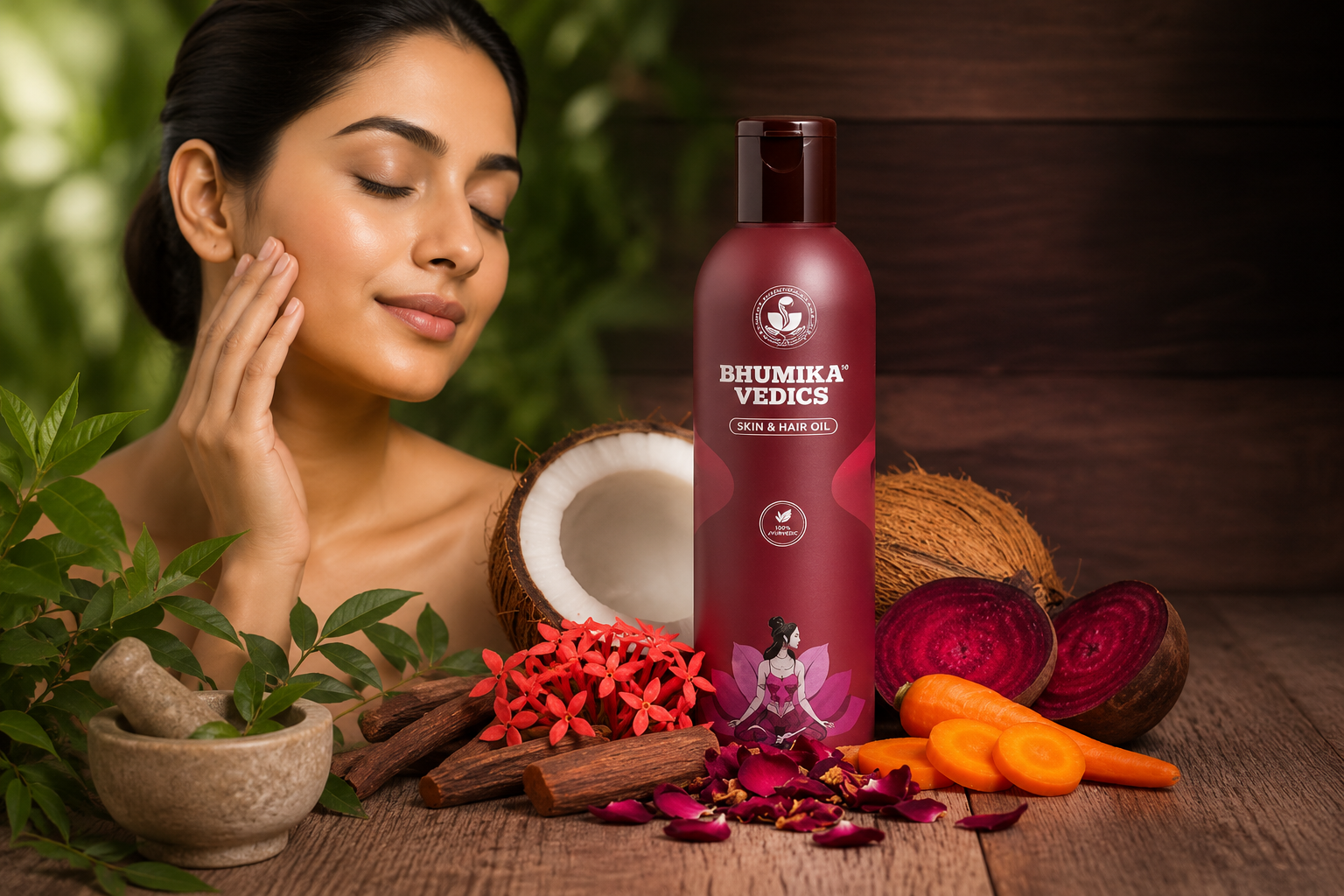
Becoming a mother changes everything. Your routine, your sleep, and yes, even your hair and skin. Many new moms notice sudden hair fall, dull skin, or dryness just a few weeks after delivery. It can feel confusing, especially when you are already adjusting to a new phase of life. The truth is, your body is simply recovering. Hormonal shifts, lack of sleep, and nutritional changes all play a role in postpartum hair loss and skin concerns. The good news is that with the right care, your body knows how to heal, and you can support that process naturally. This guide will help you understand postpartum hair loss treatment, simple ways to stop hair fall after pregnancy, and a gentle post-pregnancy skin care routine that actually works without harsh chemicals. Why Does Hair Fall and Skin Change Happen After Pregnancy? After delivery, estrogen levels drop quickly. This causes hair that stayed longer during pregnancy to shed all at once. At the same time, your skin may feel dry, pigmented, or tired. Common postpartum concerns include: Hair thinning and excessive shedding Dry scalp or dandruff Pigmentation and uneven skin tone Loss of natural glow Stretch marks and dehydration These are temporary, but they need the right care. How to Stop Hair Fall After Pregnancy If you are searching for how to prevent postpartum hair loss, the answer lies in consistency, nourishment, and gentle care. 1. Switch to a Chemical-Free Postpartum Care Routine Your scalp is sensitive after pregnancy. Harsh shampoos and treatments can make hair fall worse. Focus on: Sulfate-free cleansers Herbal oils instead of synthetic serums Mild, plant-based formulations This is where brands like Bhumika focus on chemical-free postpartum care, using traditional methods that support long-term results. 2. Use Ayurvedic Herbs for Hair Regrowth Certain herbs have been trusted for generations for hair strength and regrowth. Ayurvedic herbs for hair regrowth: Brahmi strengthens roots and reduces stress-related hair fall Bhringraj supports regrowth and improves hair density Amla improves hair texture and adds shine These ingredients are commonly found in post-pregnancy Ayurvedic hair oil blends designed for new mothers. 3. Massage Your Scalp Regularly A simple oil massage can make a big difference. Benefits: Improves blood circulation Nourishes hair follicles Reduces stress, which is a major cause of hair fall Use warm oil two to three times a week for best results. Benefits of Ventha Velichenna (Virgin Coconut Oil) for Moms In Kerala Ayurveda, Ventha Velichenna, also known as Virgin Coconut Oil, is a staple for postpartum care. Why it works: Deeply nourishes scalp and skin Helps reduce hair breakage Improves skin hydration Safe for both mother and baby It is often infused with herbs to create powerful oils that support both hair and skin recovery. Explore Bhumika’s traditional oil blends inspired by Kerala practices for gentle postpartum recovery. How to Get Glowing Skin After Delivery Your skin needs hydration, nourishment, and patience. Simple steps to restore glow: Drink enough water because hydration is key Eat fresh fruits and healthy fats Sleep whenever possible, even short naps help Follow a minimal skincare routine Glow does not come from layering products. It comes from balance. Skin Care Routine After Pregnancy A good post-pregnancy skin care routine should be gentle and easy to follow. Morning Routine: Mild herbal cleanser Light moisturizer Natural sunscreen Night Routine: Cleanse Apply facial oil or serum Gentle massage Avoid overloading your skin. Keep it simple and consistent. Natural Remedies for Postpartum Skin If you prefer home-based care, these remedies work well: Aloe vera gel soothes and hydrates skin Turmeric and milk paste help brighten skin tone Rose water refreshes and tones These remedies align with the philosophy of natural skincare followed by brands like Bhumika. Kerala Ayurveda for New Mothers Kerala has a long tradition of postpartum healing. The focus is on restoring balance using oils, herbs, and rest. Key principles: Daily oil massages Herbal formulations Warm, nourishing foods Stress-free recovery This approach is slow but deeply effective, making it perfect for long-term wellness. Choosing the Right Post-Pregnancy Ayurvedic Hair Oil Not all oils are the same. Look for: Cold-pressed base oils Herbal infusions instead of artificial fragrance No mineral oils or parabens Bhumika’s formulations focus on purity, making them a safe option for mothers who read labels carefully. Check out Bhumika’s range of Ayurvedic oils crafted for real results and not quick fixes. FAQs 1. How long does postpartum hair loss last? Postpartum hair loss usually lasts between three to six months after delivery. With proper care and nutrition, normal hair growth gradually returns. 2. What is the best postpartum hair loss treatment? The best treatments for postpartum hair loss include regular oiling, a balanced diet, and gentle hair care. Herbal and Ayurvedic products help support long-term hair strength and regrowth. 3. Can I use chemical products after delivery? It is better to avoid chemical-based products immediately after delivery. Choosing Chemical-free postpartum treatment helps protect your scalp and skin during recovery. 4. How to stop hair fall after pregnancy quickly? There is no instant solution to stop hair fall after pregnancy completely. Consistent care with oil massage, proper nutrition, and gentle products gives the best results over time. 5. Which oil is best for post-pregnancy hair fall? Ayurvedic oils with ingredients like Bhringraj, Amla, and Brahmi are highly effective. They nourish the scalp and support natural hair regrowth. 6. How to improve dull skin after pregnancy? Dull skin can be improved with hydration, proper sleep, and a simple skincare routine. Natural ingredients and gentle care help restore the skin’s glow over time. 7. Are natural remedies safe for new mothers? Yes, most natural remedies are safe when used in a gentle and controlled way. It is always best to keep routines simple and avoid overusing multiple ingredients. 8. Can coconut oil help postpartum skin? Yes, coconut oil deeply nourishes and hydrates postpartum skin. Virgin coconut oil is especially beneficial for restoring softness and moisture. 9. When should I start hair care after delivery? You can start gentle hair care within a few weeks after delivery. Begin with mild oiling and avoid harsh treatments in the early phase. 10. Is Ayurveda effective for postpartum recovery? Yes, Ayurveda focuses on natural healing and restoring balance in the body. It supports long-term recovery through herbs, oils, and simple daily practices. Key Takeaways Postpartum changes might be stressful, but they are an essential part of your body's healing process. Hair fall, dull skin, and dryness are temporary and will improve over time with proper care. The key is to stay consistent and avoid harsh, quick-fix solutions. Choosing natural methods like Ayurveda helps your body recover gently. From herbal oils to simple routines, these practices support both hair regrowth and skin health. Over time, you will notice stronger hair and a natural glow returning. Bhumika believes in this slow, honest approach to care. Instead of shortcuts, it focuses on purity, tradition, and real results, helping you feel like yourself again, one step at a time.
Learn more
Do Herbal Hair Care Products Really Help with Hair Fall and Dandruff?
You wake up. You look at your pillow. There's hair. Lots of it. Then you check your hairbrush, more hair. You step into the shower, and suddenly the drain looks like it's growing a wig. Sound familiar? You're not alone. Millions of people across India deal with hair loss, dandruff, and a dry scalp every day. The frustrating part? Most of us keep buying product after product, and nothing really sticks. Here's the thing: most commercial shampoos and hair treatments are loaded with sulphates, parabens, and synthetic fragrances. They might give you one good hair day, but long-term? They're slowly stripping your scalp of its natural oils and making things worse. That's exactly why so many people are going back to their roots, quite literally. Herbal hair care products and Ayurvedic hair care routines have been solving these problems for thousands of years. And now, modern research is finally catching up. So let's dig into what actually works, why it works, and how you can build a routine that your hair will thank you for. Why More People Are Choosing Natural Hair Care Buyers are smarter nowadays. They read labels. They search for plant-based ingredients. They trust traditional remedies more than artificial formulas. We found that buyers are actively looking for the following after researching top Ayurvedic and organic hair care brands: Hair fall reduction in 30 days Visible results of herbal hair oil after 1 month Before and after herbal hair care results How long does herbal oil take to work? Solutions for thinning hair and dry scalp The search intent is simple. People want real results without harsh chemicals. What Actually Causes Hair Fall and Dandruff? Hair problems usually start at the scalp level. Common causes of hair fall: Stress Weak roots Nutritional gaps Overuse of heat tools Chemical-heavy shampoos Common causes of dandruff: Dry scalp Fungal imbalance Product buildup Sensitive skin Hair health gets worse when the scalp lacks proper care. How Herbal Care Supports the Scalp Traditional herbs like amla, bhringraj, neem, and brahmi have been used for years. These ingredients focus on strengthening roots and calming irritation. An Ayurvedic Hair Care Routine usually includes oil massage, gentle cleansing, and consistent scalp care. This approach works slowly but supports long-term improvement. It does not promise instant results. It focuses on strengthening roots. Can Ayurvedic Oil Really Help With Hair Growth? Ayurvedic hair oils for hair growth function by providing the scalp with complete care. It improves circulation and reduces dryness that leads to breakage. People often ask, “How long does herbal oil take to work?” Regular use and scalp health determine results. Here is what many users experience: Week 1 to 2: Less dryness and itching Week 3: Reduced hair fall while combing After 1 month: Stronger strands and better shine Visible results of herbal hair oil after 1 month are common when applied consistently. Hair fall reduction in 30 days may happen in mild cases caused by dryness or weak roots. A 4-week Ayurvedic hair transformation is possible when oiling, cleansing, and lifestyle habits work together. What About Dandruff? If dandruff is your main concern, choosing the Best herbal shampoo for dandruff and hair fall can help. Look for formulas that cleanse gently without stripping natural oils. Herbal shampoos often include ingredients that calm and balance the scalp, which helps reduce flakes over time. Before-and-after herbal hair care results usually show calmer scalp conditions rather than a dramatic overnight change. Why Consistency Matters More Than Hype Herbal solutions are not instant treatments. They work gradually. You may first notice: Less itching Fewer flakes Reduced breakage Softer texture Growth and thickness take time. The scalp needs healing before the hair can thrive. Why Many Wellness-Focused Buyers Trust Bhumika Vedics? Bhumika Vedics follows Ayurvedic principles rooted in tradition. The focus is on purity, safe formulations, and plant-based ingredients. This approach feels reliable and safe for those who value traditional knowledge and cultural roots. The brand does not rely on exaggerated claims. It focuses on consistent care and clean formulations. If you are moving toward natural solutions, exploring Bhumika’s herbal range can be a thoughtful step toward healthier scalp care. FAQs 1. Are herbal hair care products safe for daily use? Most herbal products are gentle enough for frequent use, but daily shampooing isn't recommended even with natural products. 2-3 times a week for shampoo and 2-3 times a week for oiling is the sweet spot for most hair types. Always check the label for your specific product. 2. Can I use Ayurvedic hair oil if I have an oily scalp? Absolutely, but choose the right oil. Lightweight oils with Neem, Brahmi, or Tea Tree are better for oily scalps. Avoid heavy, petroleum-based oils. Massage directly on the scalp and wash off after 30-60 minutes instead of leaving overnight. 3. How long does herbal hair oil take to work? You may notice a calmer scalp within 1-2 weeks, and visible results of the herbal hair oil after 1 month with consistent use. Significant hair growth improvements typically show up after 3-6 months of regular use. 4. Is the best herbal shampoo for dandruff and hair fall different from regular shampoo? Yes. Herbal shampoos for dandruff contain active ingredients like Neem (antifungal), Reetha (natural cleanser), and Amla (scalp nourisher) that directly address the causes. Regular shampoos often only mask the flakes without treating the root cause. 5. Can herbal products help with hair fall due to stress? Yes! Herbs like Brahmi and Ashwagandha are adaptogens; they help your body manage cortisol (the stress hormone). Lower cortisol means less stress-related hair fall. A holistic Ayurvedic hair care routine addresses both the internal and external causes of stress-induced hair loss. Final Thoughts Herbal hair care is about patience and balance. It supports the scalp gently instead of forcing fast results. If you are looking for hair fall reduction in 30 days or wondering how long it takes for herbal oil to work, remember that consistency makes the difference. Visible results of herbal hair oil after 1 month are possible when used correctly. Healthy, beautiful hair starts with a healthy scalp and strong roots. If you follow a proper hair care routine, stay patient, and use quality products, you’ll notice real and lasting improvement over time.
Learn more
How to Keep Your Hair Fresh and Non-Greasy During the Heat
Summer is beautiful, but let's be real, it does absolutely no favors for your hair. The heat cranks up your scalp's oil production, sweat builds up between washes, and before you know it, your hair feels heavy, limp, and anything but fresh by noon. If you've been struggling with a greasy scalp, hair fall, or that uncomfortable sticky feeling all season long, you're not alone, and more importantly, you don't have to just live with it. The good news? A few smart changes to your summer hair care routine and some ancient Ayurvedic wisdom can make a world of difference. Why Does Hair Get So Greasy in Summer? Your scalp has sebaceous glands that produce natural oil (sebum) to keep hair moisturized. But when temperatures rise, these glands go into overdrive. Add sweat to the mix, and you've got the perfect recipe for a greasy, itchy scalp that feels dirty just hours after washing. This excess buildup doesn't just feel unpleasant. It actually clogs hair follicles, weakens roots, and contributes to sweaty scalp hair fall, a surprisingly common summer complaint. The solution isn't washing your hair every single day (which strips the scalp and ironically triggers even more oil production). The solution is working with your scalp, not against it. Your Summer Hair Care Routine, The Ayurvedic Way 1. Cleanse Smart, Not Obsessively Washing your hair 2 to 3 times a week with a mild, sulfate-free shampoo is the sweet spot for most hair types in summer. Over-washing disrupts your scalp's natural balance. Look for shampoos with neem, reetha (soapnut), or shikakai, which are time-tested Ayurvedic ingredients that cleanse without stripping. This is exactly where Bhumikavedics Ayurvedic Shampoo (200 ml) comes in. Formulated with a blend of Ayurvedic herbal extracts and free from harsh additives, it cleanses the scalp without disturbing its natural balance. It's designed to keep your scalp fresh and your hair easy to manage even through sweaty summer days. Rated 4.6 out of 5 stars by verified buyers, it's a trusted part of thousands of summer hair care routines. 2. Try Pre-Wash Scalp Treatments Using a mild herbal scalp mask before to shampooing is one of the finest summertime solutions for greasy scalps. Multani mitti (Fuller's Earth) mixed with a few drops of lemon juice and rose water absorbs excess oil beautifully. Leave it on for 15 to 20 minutes, then wash off as usual. You can also try applying diluted apple cider vinegar or aloe vera gel to your scalp before washing. Both balance pH levels and calm an inflamed, sweaty scalp effectively. 3. Oil Your Hair, But Do It Right Yes, even oily scalps need oiling in summer. The key is how you do it. Skip heavy oils like pure coconut oil applied generously overnight. Instead, go for a light Ayurvedic hair oil infused with bhringraj, amla, and brahmi, applied just to the lengths and ends, not the roots. Leave it on for 30 to 45 minutes before washing. This deeply nourishes without adding to scalp greasiness. Bhumikavedics Herbal Hair Oil (200 ml) is crafted using a traditional Ayurvedic preparation method where selected herbs are slowly infused into oil to preserve their natural properties. It spreads evenly across the scalp and hair, supports scalp nourishment, reduces dryness, and helps tackle common concerns like dullness, dandruff, and hair fall linked to weak roots. It's light enough for summer use and ideal for weekly oiling routines. Ayurvedic scalp care for heat has always emphasized cooling herbs that reduce pitta (heat energy) in the scalp, which Ayurveda identifies as a root cause of summer-related hair problems like thinning and excessive oiliness. This oil is built around that very philosophy. 4. Use the Oil and Shampoo Together for Best Results Here's a pro tip that Bhumikavedics themselves recommend: use the Herbal Hair Oil before washing and follow up with the Ayurvedic Shampoo for the most effective cleanse. The shampoo is specifically designed to wash off herbal oils comfortably without stripping the scalp, making the two products a natural summer hair care pair. Together, they work to nourish, balance, and cleanse your scalp in one simple routine. 5. Rinse with Cool or Lukewarm Water Hot showers might feel amazing, but they stimulate oil glands and make your scalp greasier faster. Always rinse your hair with cool or lukewarm water. A final cold rinse also seals the hair cuticle, adding shine and reducing frizz, which is a bonus win for summer. 6. Use Dry Shampoo on Off-Wash Days On days between washes when your roots start looking flat and oily, reach for a natural dry shampoo or simply dust a tiny bit of arrowroot powder or rice flour at the roots. It absorbs oil instantly without any chemicals. This keeps you looking fresh without disrupting your scalp's oil balance. 7. Eat and Drink for Your Scalp Hair care in summer isn't just external. Dehydration directly affects scalp health and can worsen oil production and hair fall. Drink plenty of water, include cooling foods like cucumber, coconut water, and mint in your diet, and reduce spicy or fried foods that aggravate heat in the body. Ayurveda considers pitta-pacifying foods essential for managing a hot, oily scalp from the inside out. Quick Tips to Keep Hair Fresh All Day Tie your hair loosely in summer, as tight styles trap heat and sweat against the scalp Avoid touching your hair repeatedly throughout the day Use a clean cotton scarf or hat to protect from direct sun exposure Change your pillowcase frequently during the summer months Avoid heavy leave-in products that weigh hair down in humidity Why Ayurvedic Products Work Better in Summer Unlike synthetic hair care products loaded with silicones and harsh chemicals, Ayurvedic formulations work in harmony with your body's natural rhythms. They address the root cause rather than masking symptoms. Bhumikavedics brings you 100% natural, Ayurveda-inspired hair care products that are free from harmful chemicals and crafted to keep your scalp calm, clean, and balanced even when the heat is unforgiving. When you choose Ayurvedic scalp care for heat, you're not just treating a summer problem. You're building a foundation for healthier hair all year long. And with products like the Bhumikavedics Herbal Hair Oil and Ayurvedic Shampoo, that foundation is easy to build without breaking the bank. Frequently Asked Questions (FAQ) Q1. How often should I wash my hair in summer? Washing 2 to 3 times a week is ideal for most people. Washing daily can strip the scalp of natural oils and trigger even more oil production as a response. Q2. Why is my hair falling more in the summer? Sweaty scalp hair fall is common in summer because sweat and oil clog hair follicles, weaken roots, and create an environment for scalp infections. A proper cleansing routine and scalp-cooling Ayurvedic treatments can significantly reduce this. Q3. Can I use hair oil on an oily scalp in summer? Yes, but use a light Ayurvedic herbal oil rather than heavy options. Apply only to the hair lengths, not the roots, and wash off after 30 to 45 minutes rather than leaving overnight. Bhumikavedics Herbal Hair Oil is well-suited for this as it spreads evenly and is free from harsh additives. Q4. What is the best Ayurvedic remedy for a greasy scalp? Multani mitti (Fuller's Earth) masks, neem-based shampoos, and bhringraj oil treatments are among the most effective remedies for an oily scalp in summer. They cleanse, cool, and balance the scalp naturally. Q5. Are Bhumikavedics products safe for all hair types? Yes! Bhumikavedics 100% Ayurvedic formulations are crafted to suit all hair types, whether you have a dry, oily, or combination scalp, and are free from sulfates, parabens, and artificial additives. Ready to transform your summer hair care routine? Explore Bhumikavedics range of Ayurvedic hair care products and give your scalp the natural care it deserves this season.
Learn more
Top 10 Herbal Hair Care Brands in India
Healthy hair is not just about looks. It is about confidence. It is about feeling good when you run your fingers through your hair. But today, hair fall, dandruff, dry scalp, and early greys are common problems. Pollution, stress, hard water, and harsh chemicals make it worse. Many people are now switching to Herbal Hair Care because they want something gentle and safe. If you are searching for the Best Hair Care Brand in India, especially one that focuses on natural and Ayurvedic solutions, this guide will help you. Let’s explore the top 10 hair care brands in India and understand what makes them stand out. Why Natural & Ayurvedic Hair Care Is Trending Before we jump into the list, here’s what people are actively searching for: Hair fall control solutions Hair growth remedies Dandruff treatment without chemicals Dry and itchy scalp relief Early greying prevention Sulphate-free and paraben-free products Complete Hair Care options Consumers today read labels. They check ingredients. They prefer roots, herbs, and oils over long chemical names. That’s why Herbal Hair Oil and Shampoo combinations are becoming popular again. Best 10 Herbal & Ayurvedic Hair Care Brands in India 1. Bhumika Vedics Bhumika Vedics keeps hair care simple and rooted in Ayurveda. The brand uses traditional herbs to strengthen hair and support a healthy scalp. Instead of relying on harsh chemicals or fast results, the focus is on gentle and consistent care. Many users say they start noticing changes within a month when they follow the routine regularly. The improvement may feel gradual, but it is consistent and long-lasting. What makes them special: Strong focus on Herbal Hair Care Clean and easy-to-understand ingredient list Traditional Ayurvedic blends Gentle enough for daily use Works well as a complete Hair Care Combo Results are visible in 1 month with regular use Trusted by 20K+ customers An emerging hair care brand is gaining attention Their products are made for people who want healthy hair in the long run, not temporary chemical results. If you are planning to start an Ayurvedic Hair Oil and Shampoo routine, Bhumika is a practical choice to consider. 2. Mamaearth Mamaearth is popular for toxin-free products. They offer onion-based oils and shampoos for hair fall control. Best for: Young buyers Sulphate-free options Modern packaging with natural positioning 3. Khadi Natural Khadi Natural focuses on herbal blends inspired by Ayurveda. They are widely known for herbal shampoos and oils. Popular for: Affordable herbal options Neem and amla-based products Classic Ayurvedic positioning 4. Indulekha Indulekha is known for its strong Ayurvedic oil for hair fall. Many people choose it for visible hair strengthening. Highlights: Medicinal positioning Clinically tested claims Focused hair fall treatment 5. Himalaya Herbals A trusted name for years. Himalaya provides affordable herbal products for hair care. Known for: Anti-dandruff shampoo Gentle daily use products Widely available across India 6. Biotique Biotique combines biotechnology with Ayurveda. Their packaging and ingredient list highlight herbal extracts. Best for: Affordable Ayurvedic options Fruit-based and herbal shampoos Clean beauty lovers 7. Forest Essentials A premium Ayurvedic brand. Their oils and shampoos are luxurious and beautifully packaged. Ideal for: Luxury herbal experience High-quality ingredients Gifting and self-care routines 8. Kama Ayurveda Kama Ayurveda focuses on authentic Ayurvedic recipes. Popular for: Bhringraj hair oil Premium formulations Strong traditional branding 9. WOW Skin Science WOW is known for apple cider vinegar shampoo and onion oil. Best for: Trend-based ingredients Sulphate-free formulas Young urban consumers 10. Soulflower Soulflower focuses on pure oils and essential oils. Good for: Minimal ingredient formulas DIY hair oil routines Natural enthusiasts How to Choose the Right Hair Care Brand for You Not every brand suits everyone. Here’s a simple guide. Step 1: Check the Ingredients Look for: Amla Bhringraj Brahmi Neem Coconut oil Castor oil Avoid long chemical names if you prefer natural care. Step 2: Identify Your Hair Concern Hair Problem Look For Hair fall Bhringraj, Onion oil Dandruff Neem, tea tree Dry hair Coconut oil, aloe vera Early greys Amla, herbal blends Thin hair Strengthening Ayurvedic oils Step 3: Choose a Hair Care Combo A good Hair Care routine includes: Ayurvedic Hair Oil Herbal Shampoo Sometimes a conditioner Using products from the same range often gives better results because the ingredients complement each other. If you want a simple start, explore Bhumika’s oil and shampoo combinations designed for everyday herbal care. What Makes a Brand Truly Ayurvedic? A real Ayurvedic Hair Oil and Shampoo should: Be inspired by classical herbs Avoid harsh sulphates Focus on scalp health Work slowly but steadily Remember, Ayurveda is about long-term balance, not overnight miracles. Frequently Asked Questions (FAQs) 1. Which is the Best Hair Care Brand in India? It depends on your needs. If you prefer Herbal Hair Care and traditional formulations, brands like Bhumika, Kama Ayurveda, and Khadi are strong options. 2. Does Ayurvedic hair oil really reduce hair fall? Yes, when used regularly. Ingredients like Bhringraj (false daisy) and amla are known to strengthen roots and improve scalp health. 3. How often should I use herbal hair oil and shampoo? Oil 2–3 times a week. Shampoo based on your scalp type, usually 2–3 times weekly. 4. Are herbal shampoos safe for daily use? Most are gentle. But always check for sulphates and strong detergents. 5. What is the benefit of using a Hair Care Combo? It ensures ingredients work together. Oil nourishes. Shampoo cleans without stripping natural oils. 6. Can natural products help with early graying? They may slow the process by nourishing the scalp. But genetics also plays a role. 7. Are Ayurvedic products suitable for men? Absolutely. Hair concerns are similar for both men and women. 8. How long does it take to see results? Usually 4–8 weeks with consistent use. Final Takeaway Choosing the right hair care brand is not about trends. It is about trust. It is about ingredients that feel safe and familiar. India has many options. But if you believe in tradition, herbs, and long-term scalp health, Ayurvedic brands stand strong. Start simple. Pick a gentle Ayurvedic Hair Oil and Shampoo, use it consistently, and let your hair heal naturally. Sometimes, going back to the roots is the smartest way forward.
Learn more